After finding clarity in the chaos of being Homeless, Llona is still outside—On The Road, searching for home.
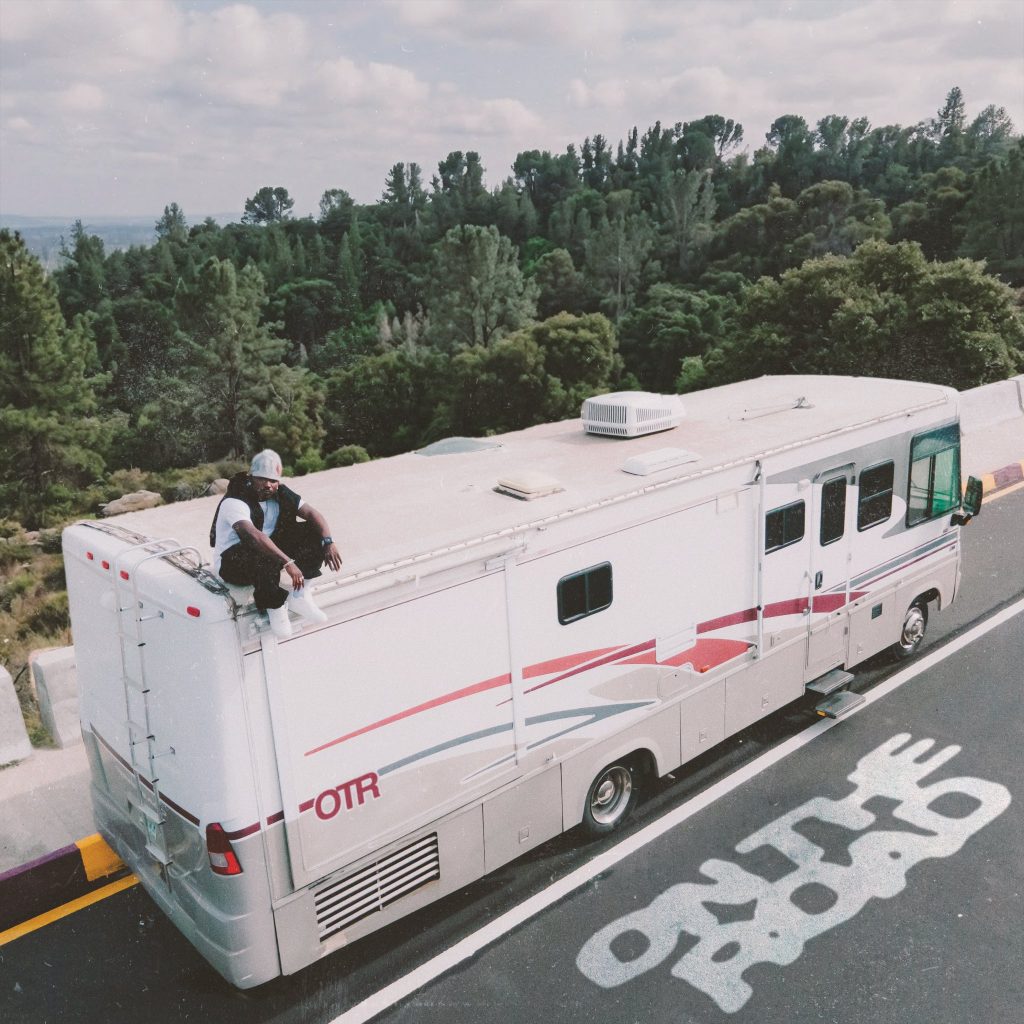
Homeless was the documentary of a wounded soldier, weary of running from the demons of his past. One who found reprieve in the little pleasures of life and the warmth of community and love. Despite embracing his better habits and tossing away toxic ones, Llona has been rocked with the realization that maintaining sanity is an eternal struggle and not a one-off triumph like soldiers clashing on a battle ground.
That explains why On The Road is even more solemn and meditative. Despite the dense themes of mental health and coping mechanisms Homeless grappled with, it still had its pulsating, exhilarating moments. On The Road on the other hand is the natural step forward after the bold declarations and drastic measures to curb one’s excesses. It’s the introspective episode that ensues after the chaos, where Llona has to live with himself and find rhythm in his new reality. Will he torpedo the progress he’s made so far and give in to his old inhibitions or will he go all the way? The album mostly answers that.
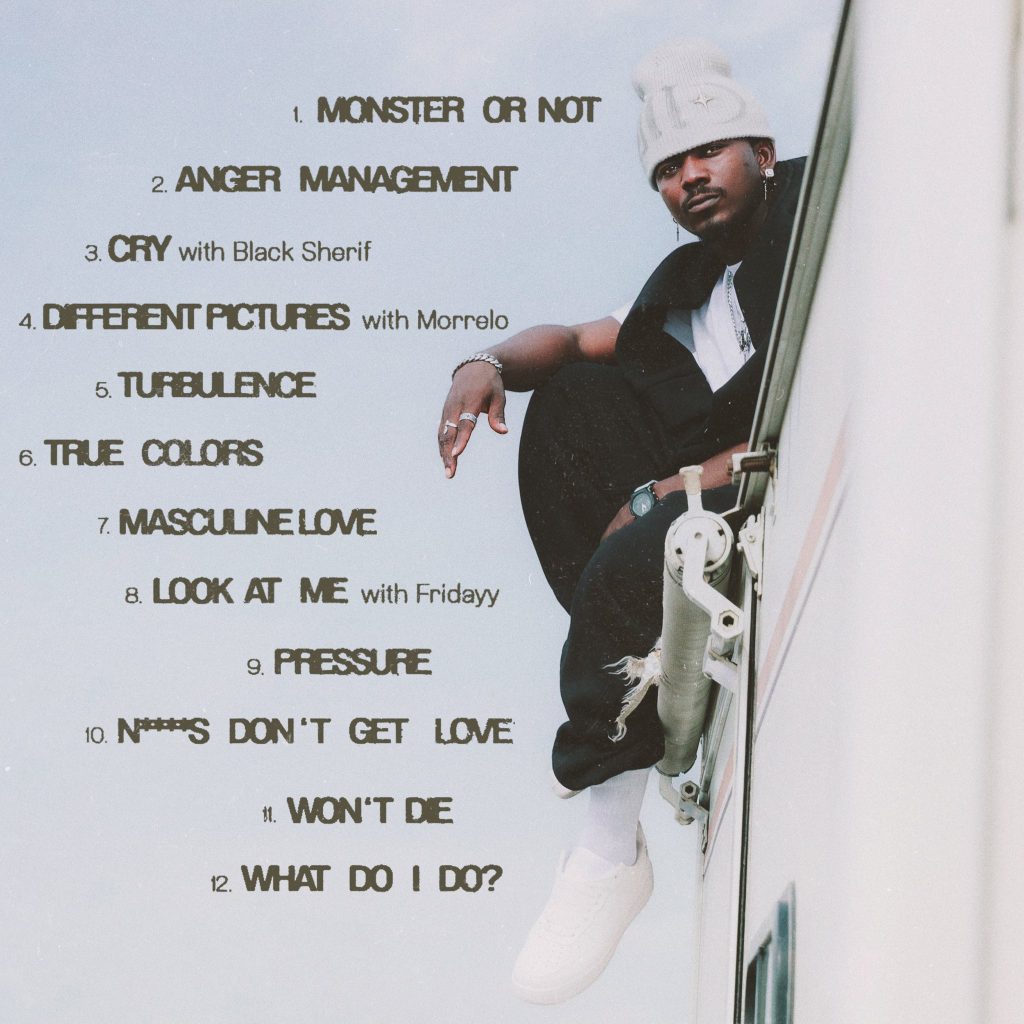
On album opener, it is made pixel clear that Llona is a haunted man running from his demons. “I don’t know if I am a monster, I don’t know if I lived this life before” he sings repeatedly on Monster Or Not, a song where he’s unsure whether his healthy resolutions are enough reasons to absolve him of the guilt of the past, because he doesn’t believe he deserves to move on. It’s a classic case of survivor’s guilt and a trauma that is affiliated with soldiers. However, Llona knows the high tendencies of trauma-incited violent behavior manifesting, so he’s pretty intent on keeping his temperament in check on Anger Management.
Despite the toll his struggles are taking on him, Llona remains focused and iterates that his life is ultimately better off than what it was years ago, admitting that he loves his life on the chorus of Cry. Black Sherif’s sultry tenor is a nice contrast to his and adds some much needed emotive inflection on a song that defends the right of grown ass men crying, despite it being a concept that betrays traditional masculine traits. Llona eulogize his day-ones on Different Pictures, while recounting sordid tales of their struggles on the way up. Morello verse attests to the fact that their struggles have impacted them, thus prompting the ensuing affirmation from Llona that nothing has changed, only the big picture. At their core, they’re still the same people but they all want different things now.
At face value, Turbulence seems like a relapse because Llona puffs his chest out on the opening verse and declares war on his detractors. However, he mentions that his discipline is resolute and his posturing now seems inspired by the innate need to establish the fact that he’s still a no-nonsense person despite his healthier habits. On True Colors, Llona contemplates reuniting with an old flame he can’t seem to resist, but decides against it because volatile emotions are expensive pleasures that could lead to his demise and he can’t afford to falter.
At the end of the day, he’s only human and there’s only so long he can survive without love and that’s why he laments on Masculine Love, singing “Gave you my life but I still owe you.” His relationship is far from perfect, because he’s not fully invested in it—as evidenced by his two-faced sentiments on the chorus. Llona emphasizes the need for community on Look At Me and quietly underscores the truth that the good things of life hit differently, when you’re surrounded by loved ones to cherish it with.
Fridayy asks his loved ones if they are safe with his secrets, because he knows how heavy they are to carry and worries about burdening them with a cumbersome load. He already trusts that his secrets are safe, but he needs to know if his people are safe too. Llona sings about navigating Pressure and the expectations that come with said territory. He’s barely keeping it together at being human, without the added pressure of being placed on a pedestal by people that find his music therapeutic. But he can’t shrug the people aside and give them the middle finger because their lives are all on the line, so he reminds them he’s not perfect and paints a vivid picture of how dirty he’s gotten his hands—all in the bid to remain sane.
N****s Don’t Get Love rehashes tropes of survivor’s guilt, except it’s with an added perspective of a companion relying on Llona for sustenance. Llona knows being dependent is counter productive and urges his partner to live their own life and figure stuff out for their selves. His lyrics on Won’t Die makes more sense in retrospect because he could only “run away and live life” on his own terms if he isn’t tethered to someone else. And on album closer, What Do I Do? he finally attains the peace of mind he’s fought so ardently for and yet it’s not as fulfilling, because he doesn’t know what to do with himself, as a soldier that’s been fighting all his life.
On The Road is yet another deeply introspective voyage into Llona’s mind that chronicles the highlights of his eternal quest for peace. The album makes it clear that Llona is more than his pain, but his pain has shaped him to be a different person for better and for worse, and the onus is up to him to figure out how to live with that. It’s an acquired taste and lacks almost any kinetic punch to the point that it’s a bit monotonous, but this is an album clearly devoted to Llona’s fans and his fans alone.
Final Verdict:
Sonic Cohesion: 1.5/2
Expansive Production: 1.0/2
Songwriting: 1.2/2
Delivery: 1.3/2
Track Sequencing: 1.3/2
Total: 6.3/10