On His Brand New LP, The Street-Pop Star’s Evolution Into A Fully Realized Afro-Pop star Comes Full Circle.
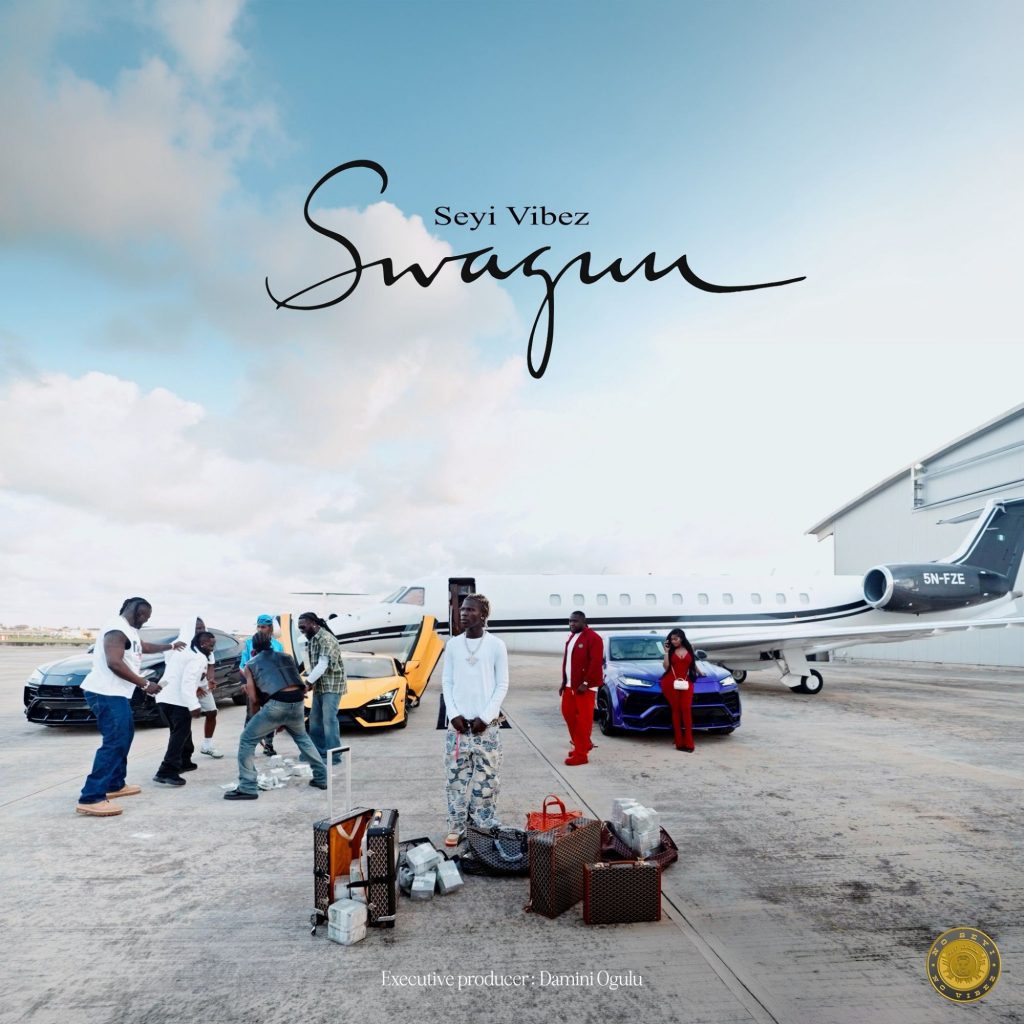
The year was 2022 and the street-pop subgenre of Afrobeats was laying siege to the mainstream, with Asake leading the charge with an accessible brand of neo-Fuji that was dipped in Amapiano fusion beats and Hip-Hop cadences. While Asake mastered the art of diluting the essence of street music in mainstream waters without losing its potency, Seyi Vibez doubled down on the ingenuity of his art—even if that meant he passed as an acquired taste.
Seyi took his time and executed his transition into the mainstream on his own time and eventually audiences caught up. Once upon a time, people got scrutinised for listening to Seyi Vibez and all of a sudden it became cool to be affiliated with him because of his deft and brilliant transition. However in the past few years, Seyi has initiated another phase of sonic evolution that has him merging his street-pop roots into more lingual fluid pop territories. Children Of Africa and FUJI MOTO weren’t exactly the right steps in that direction as they sacrificed his dynamism, but how does this new LP fair?
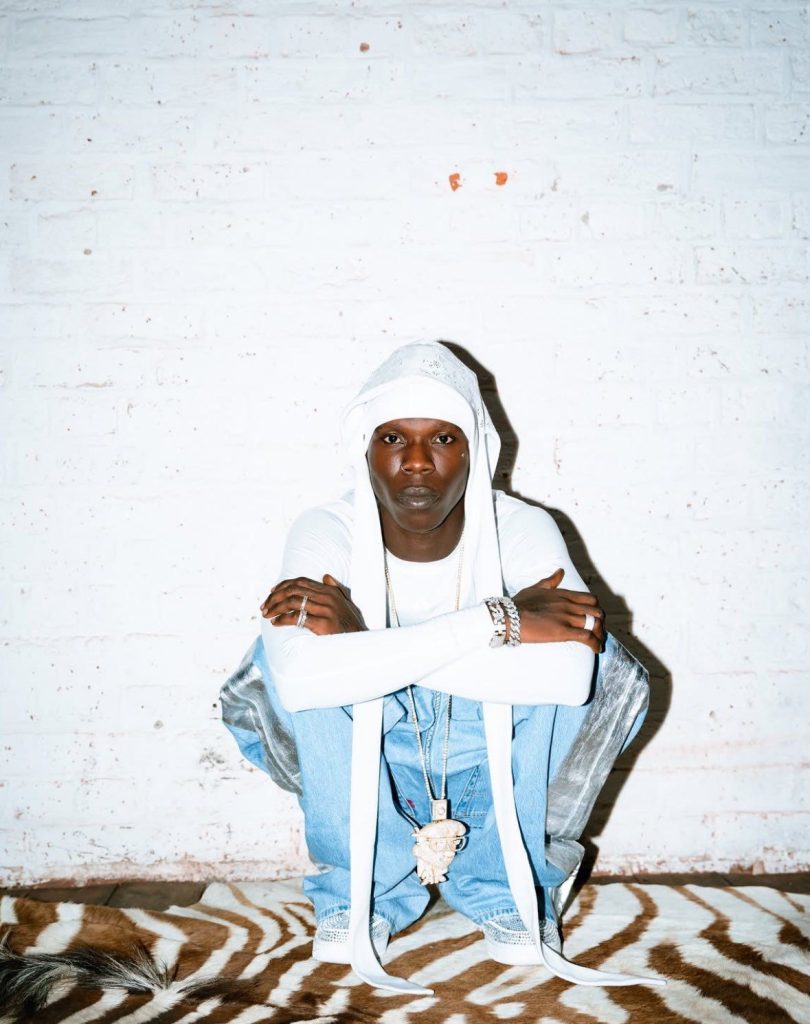
Volume kicks things off on the Afro-pop note. Seyi sings predominantly in pidgin English but his sentiments are still rooted in the success aspirations that anchor street-pop. The production baseline has a trap twist to it that gives it a pulsating bounce—thus setting the pace for the album. GTA is reminiscent of the haphazard, but measured eclectic flows that defined Seyi’s earlier music but it’s without dominant drums to compliment it, so it sort off falls flat.
Diamonds follows the melodic rap cadence of GTA but the bounce is more prominent to match Seyi’s flows. He brags about the magnitude of his motion and the depth of his pocket and how that translates into resource power he’s ready to lavish on his woman. Log drums return on Melanin, but it’s not outdated Amapiano fusion slop and is an uptempo pop record with hard thumping percussion and drum rolls. The chorus here is so infectious, this writer wouldn’t be surprised if this song caught on faster than the rest on the LP.
GOD heads into deep percussive territory with rambunctious live drums, clashing cymbals and trumpet horns reminiscent of Fela’s Afrobeat. Seyi understands you need to do little, so as to let the beat breathe in soundscapes like this one and he finds a good pocket and sticks with it. His musings on here are pretty scatter brained as they alternate between admonitions cautioning jealousy, to extolling beautiful women and eventually giving glory to God, but it all works because of the great beat tying it all together. Seyi himself knows how effective this formula is because he uses it again on Pansa, an Amapiano fusion record to less desirable results.
Seyi gets candid on the emotive soundscape of Ilome. The solemn ambience of the song, alongside his surface level musings on life makes it pass as a decent introspective record, that could have been much better if he was more vulnerable with his feelings. Back 2 U is Reggaeton flavoured and Seyi rides the beat, doubling down on his material wealth and his ability to make his woman swoon as a result of it. There is a sensual layer to this record that distinguishes it and it makes so much sense for a genre that’s acclaimed for being a treacherous one for the gyrating of hips.
Alafia has minimalistic production and draws from the soulful roots of Ilome—improving on the track by simply being a more vulnerable record. Seyi doesn’t exactly lay out his insecurities, but his simple admittance is enough proof that he acknowledges the need to work on himself. El Jaja returns to Seyi’s roots of ratchet rattle shakers and log drums but the slow and methodical build up to the thundering drums in the middle of the song and onwards—gives it a refreshing feel.
Seyi iterates his priorities on Alubarika and makes it pixel clear that getting his paycheck and stacking up his money for the good life is of utmost importance to him. Pulsating drums kick in halfway and he sings sweet eulogies of his woman’s backside. Akpan Akpari dials the tempo up to high octane energy for a galala bounce that’s sure to tear up dance floors at street carnivals and music festivals. Oble (Original) is cut from the same sonic fabric as Akpan Akpari, but it has a lower BPM and more riotous kicks that makes for a good Mara record.
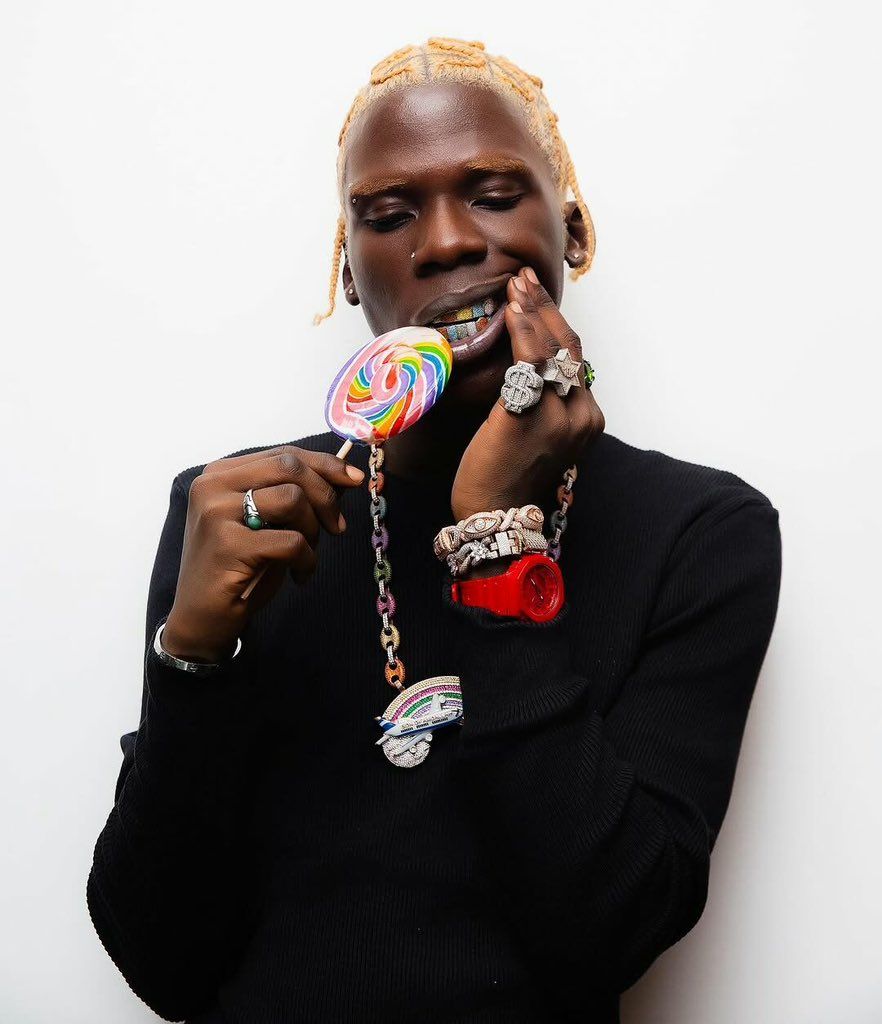
Swaguu plays like an interlude and its trademark Quavo hook with a repetitive structure—fosters resonance before the song is closed out by a short nothing-burger Seyi verse. It’s easy on the ears but the record isn’t given space to sink in before ending. This would have functioned better in the middle of the LP or the start because it’s somewhat of a jarring way to end an album.
Seyi Vibez’s Swaguu is a sonic triumph that manages to integrate his street, indigenous charisma into more Afro-pop leaning sensibilities. It’s not exactly a masterclass because some of the ingenuity is lost in translation and the production in these new sonic territories aren’t always ambitious to match his dynamism—but the album is surely a step in the right direction of a journey that can only get better from here on out.
Final Verdict:
Sonic Cohesion: 1.4/2
Expansive Production: 1.4/2
Songwriting: 1.4/2
Delivery: 1.6/2
Track Sequencing: 1.3/2
Total: 7.1/10