The Patron Saint Of Villainy Evolves And Embraces Darkness For The Hope Of Better Days.

After fighting tumultuous battles of identity, self-preservation and survivor’s guilt on The Villain I Never Was—
Sherif explored the consequences of the subequent isolation, self-sabotage and resilience needed to come out on top his demons on Iron Boy. His sophomore LP was a thematic and sonic sequel in every sense of the world, that highlights a hard earned victory that’s only as rewarding as its prior set up on the debut.
However acknowledging your vices is one thing, summoning the strength to work past them is another and moving on from your old habits entirely—takes a different level of grit. As the title implies, Sherif is trying to be a light in the darkness—brightening up the lives of the ones he comes across. There is only so long he could savor the darkness and not sound like a broken record after two albums, so this is a justified evolution. However the question of whether or not Sherif is truly happy or he’s cosplaying happiness remains to be seen.
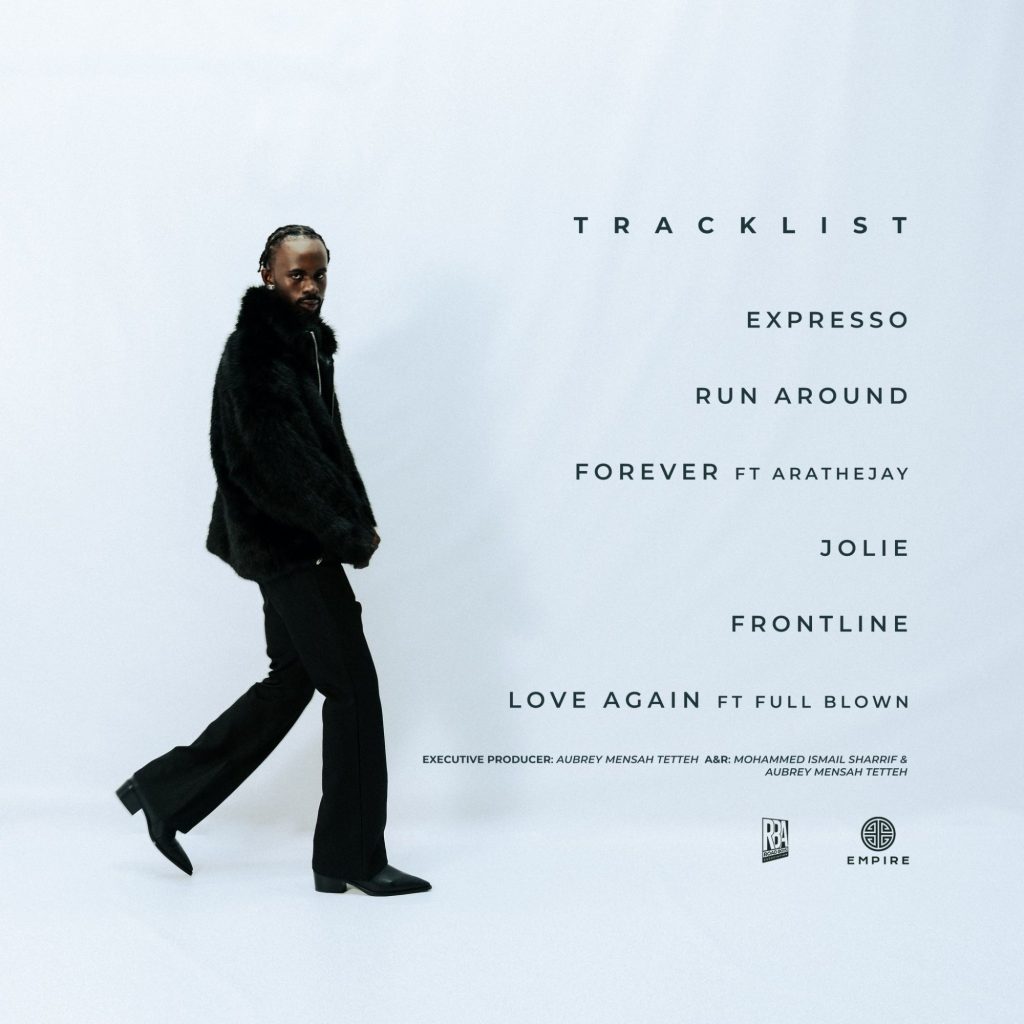
The EP opens with Expresso and a wholesome melody strummed on classical guitar strings. “I am the good and the evil, i stir it up” Sherif sings, alluding to the fact that he isn’t some perfectly healed version of himself that’s being purged clean of his demons, but simply someone willing to work through them. His rapping remains sharp and he mantains the stance of a rebel living large to redefine the status quo of a superstar, that doesn’t necessarily have to indulge in toxic lifestyle choices.
When we head to soulful reggae territory on Run Around, the shuffling cymbals mirror the restless sentiment of clashing partners in a marriage, trying to make things work. Here we see brief glimpses of Sherif’s self-sabotaging instincts in the way he insists he isn’t a bad person at his worst, which is clearly a lie to goad his partner into a reaction. Forever is more upbeat with pulsating Afro-pop drums but it’s even more spiritual—in its godly aspirations of destiny fulfillment and scrutiny for worldly desires—than any other track on the EP. Sherif’s delivery on this track, especially the third verse makes it arguably the best one on the EP.
Jolie is deep cut blues magic, anchored by emotive vocal inflections that really work in the chorus. Sherif is totally vulnerable here and bares his heart out. This might pass as standard business for R&B songs, but for Sherif it’s truly groubreaking progress that highlights his willingness to be a better person. Frontline is a return to a familiar trap-esque soundscape that defined his previous albums. This song sounds like a warning leveled at his detractors, emphasizing he’s still a tough son-of-a-bitch despite his recent affinity for healthier habits. His day one fans will find reprieve in the familiarity of this record.
Sherif sings about his mood being at an all-time low on Love Again, despite it having a celebratory vibe to it. Maybe it’s the mental liberation he’s seeking or it’s the love adulations he’s doling out. Nonetheless, Sherif sounds finally free and untethered from his vices. Of course, the occasional relapse might be around the corner and he’s not going to get it right on his first attempt, but he’s bursting to the seams with the joy of discarding his old ways and that’s a good attitude to approach this unique challenge.
SUN SHERIF is a strong deviation in Black Sherif’s discography from a sonic and thematic standpoint and that’s inadvertently going to alienate his fans, on first listen. The transition is quite abrupt because this EP bares little semblance with its predecessors high octane, Afro-drill soundscapes and is much more solemn and meditative. There’s only one track out of six that pays homage to the past.
However, if his fans can get past that barrier—they’ll realize this is some truly beautiful music made by a man that’s done running away from his past and has embraced his flaws, so he can work through them. The music might not be inspirational or even cheerful, but it is hopeful for better days to come and that’s only indicative of the new transition that’s nowhere near done and can only get better with future projects.
Final Verdict:
Sonic Cohesion: 1.3/2
Expansive Production: 1.4/2
Songwriting: 1.8/2
Delivery: 1.9/2
Track Sequencing: 1.4/2
Total: 7.8/10