On his fourth LP, Wande is more intentional with the music and ditches his predominant freestyle affinities.
There isn’t many albums in the history of contemporary African music, that is as important as Wande’s debut. The masterpiece did not only herald a new turning point in the fusion of African music and its foreign inspirations, but has also aged into an evergreen blueprint for the generations that came after it as the benchmark to reach. A classic in every sense of the word.
It’s for this sole reason why people look at Wande’s career in retrospect and conclude that it was somewhat a disappointment because in many ways, he has failed to live up to his own lofty standards. While it is unfair to scrupulously judge an artist on the basis of whether or not they attained an absurd peak again, it isn’t controversial to say that Wande has released two underwhelming albums after that. The most recent one being a freestyle throwaway of tracks that should have never seen the light of day.
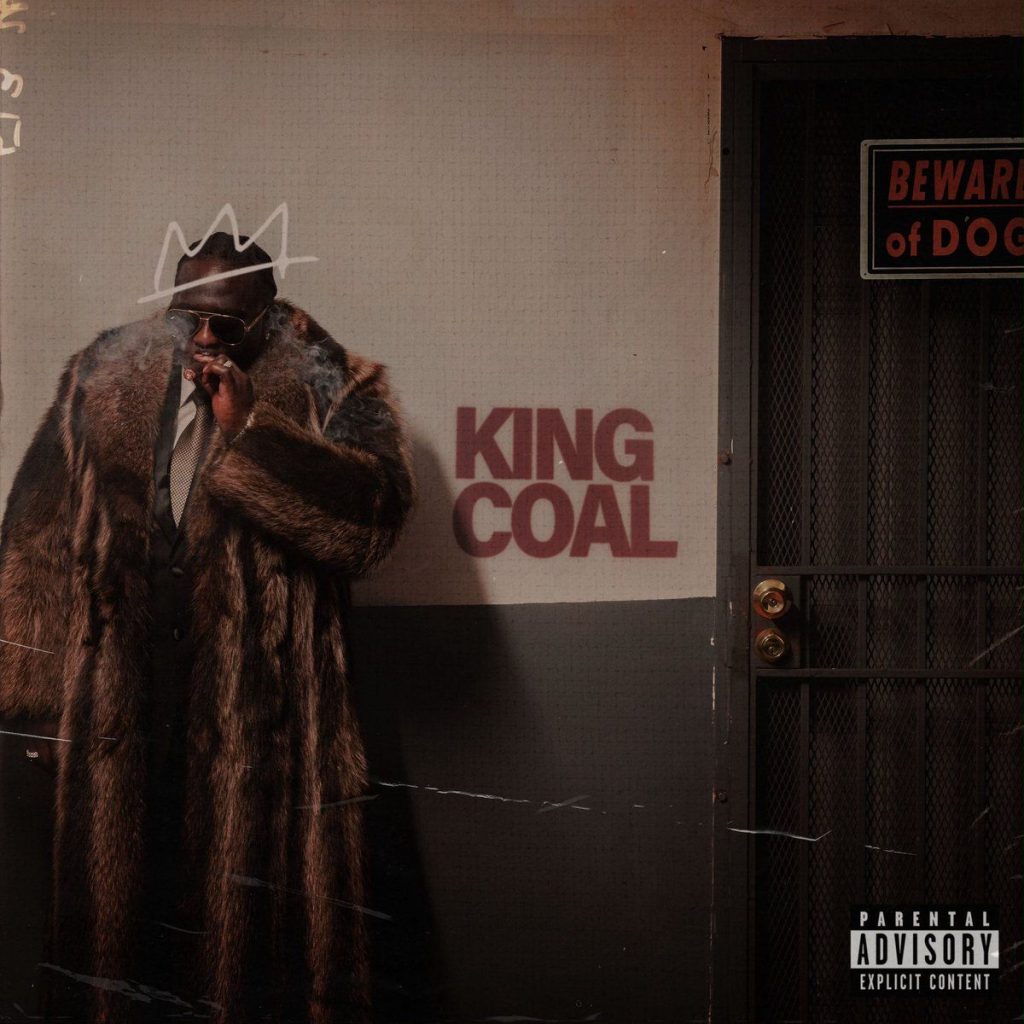
Wande might not be back to pristine form on King Coal, but he seems to have done away with his old proclivities on Legend Or No Legend and embraced a more intentional approach to make better music. That alone is a feat worth commending, as it’s an admirable thing for an artist to be self aware and receptive to criticism. Is the music better for it though? Let’s delve in.
Classical guitar strings open a sweet medley on Feelings and Wande wastes no time in reminding us he’s Afrobeats greatest pop vocalist. The sentiment here is simple and Wande is pleading so his love interest doesn’t take advantage his feelings, but it’s the harmonizing and stacked vocals that do the heavylifting here. The song is a very potent serenade to kick things off.
DEARLY keeps treading the same emotive territory, but is spliced with a mininalist bounce that works to a tee. Warm piano notes replace expressive guitar strings and Qing Madi brings a feminine touch that elevates the track. Nobody Knows has electrifying production like that of a drumline at a marching parade and soaring saxophone synths. The beat does the heavy lifting while Wande muses about how loving hard isn’t so far off from being high on drugs.
Must Be Love pulses with an Afroswing bounce and while Wande and Tiwa turn in competent performances—it’s a little underwhelming, as they don’t fully commit to the bashment flavour needed to kill off the song. As if trying to rectify the flaw of the prior track, Wande recruits Carribean royalty projexx on Regard and does some lingual inflections to elicit the right dancehall pathos needed on the song. It’s marginally better than Must Be Love due to Projexx bringing in some dynamism and the strong hook but Wande’s verse leaves a lot to be desired.
Ruger and BNXN re-unite again on GBESUNMO, that is one of the album’s highlights due to a strong, resonant hook from Ruger. BNXN and Wande have always had great chemistry and they feed off each other’s energy, although it’s BNXN that rises to the occassion by spicing up his verse with French phrases. The thematic overview so far remains surface level musings on love and living the good life, which bleeds into 6IX, a full blown Afro-tech house track.
Laz turns in a short but effective hook that lets the beat breathe and rides the rhythm into deep groovy resonance. Wande also approaches the verses with the same calm energy and it’s enough on rambunctious productions like these. DEM GO PAY features stellar pop writing, replete with ambidextrous flows and lamba pockets but the beat here never gets out of gear one and is quite static. It’s a shame really because this could have been the single to cause real mayhem on the charts.
Dera sings that money is enough to buy happiness for him on MONEY, because he’s drowning in responsibilities and needs a reprieve. The chorus here is quite an earworm and this writer won’t be surprised if it goes viral, due to how resonant the struggles of hustling is. Porsche Panamera is one of the livelier tracks on the LP with a hook that’s equally as raunchy, as it’s pulsatingly upbeat. Wande does some animated vocal inflections here and the song is better for it.
Sure For Me is a filler track that only inflates the runtime and does nothing interesting sonically, asides being a tracklist bucket-list fulfillment of wealthy aspirations you find on an average Afro-Pop album. Balenciaga is another underwhelming track with drums that mimick cultural percussion and lyrical musings that never venture beyond stunting-on-detractors antics, or bothers itself to be introspective.
Wande is embroiled in an unrequited relationship on Crime and despite his self awareness, he can’t find it in himself to walk away because he’s still latching onto the good old days. Acoustic guitar strings simmer underneath his desperate Questions to his lover, where it’s pixel clear he can’t take a hint to save his life because he’s still hanging around in spite of her indifference.
P.prime disrupts the flow of tumultuous emotions in the final sequence with carnival drums and vintage sound effects on OSHE. Wizkid sets the pace with a trademark flow you’ve probably heard a million times by now but he turns in a stellar chorus to compensate for it. Wande snaps on his own verse and channels his inner Fuji superstar—closing out the album on the high note it kicked off with.
While KING COAL is a notable improvement on Legend Or No Legend, it’s not without it’s own flaws. The album has one too many fillers, the production is mostly uninspiring and the best songs on it aren’t exactly standout tracks that would blow anyone away. Nevertheless, it’s a decent album that indicates a level of effort that we’ve not seen from Wande on his projects in years.
Final Verdict:
Sonic Cohesion: 1.2/2
Expansive Production: 1.2/2
Songwriting: 1.3/2
Delivery: 1.3/2
Track Sequencing: 1.2/2
Total: 6.2/10