Outros are an art form that is quietly slipping into extinction. Increasingly, many artists have reduced them to brief moments of gratitude (sometimes better suited for intros) or simply any record they feel comfortable using to close a project. As a result, outros are becoming less intentional, less weighty, and less memorable.
Each passing year, it becomes harder to find truly compelling album closers, and that reality is even more evident in this piece, where the pool of contenders feels noticeably weaker especially when placed side by side with standout outros from previous years.
Think of records like Burna Boy’s “Bank On It”, Fireboy DML’s “Wait and See” and “Remember Me”. More recently, Omah Lay’s “purple song”, Rema’s “NOW YOU KNOW”, and Show Dem Camp’s “No Regrets” stand out as modern examples of how powerful an outro can be when done right. In fact, for an artist of Asake’s stature, who has delivered three undeniable classics already this decade, you could reasonably argue that he doesn’t yet have a truly solid outro, except perhaps “Yoga”, and even that is a very generous concession.
The truth is this: outros are an art. They are spiritual and heavy-weighted. They are not merely meant to carry the personal burdens of the artist, but to subtly reveal their mental state, emotional posture, and even the direction their creative journey is heading next. A great outro must fit seamlessly into the sonic and thematic world the project has built, while still standing apart as a moment of reflection. Through it, you can sense the artist’s emotions, understand their next foray, and connect with them on a deeply human level—beyond the superstar image and into the person beneath it. But, as it stands, it is what it is.
DISCLAIMER: This list considers strictly the final song on each project, although bonus tracks are exempted where necessary.
Honourable Mentions: Joeboy’s “I’ll Be Okay” captures a hopeful outlook on a project where he celebrates life, love, and success in varying degrees, grounding those themes in his current reality as he grapples with the demands of superstardom. Show Dem Camp’s “I’ll Wait” also deserves mention for its introspective tone, reinforcing the duo’s resolve to keep pushing forward and chasing their musical dreams despite setbacks, anchored by their belief in God’s faithfulness to His covenant with them.
#10 Voices — Magixx
On his debut album “I Dream In Colors“, Magixx presents multiple shades of himself, and “Voices” serves as a fitting conclusion. The record reflects on the internal and external influences—both positive and negative—that have shaped his journey, pushing him steadily toward growth and success. He looks inward, addressing the constant noise in his head and the mental discipline required to remain grounded while chasing his dreams head-on.
#9 Billions — Sarz & Lojay
The discourse around “Billions” largely centres on Sarz’s decision to tweak the album version by pushing the beat forward instead of the stripped, orchestral opening found in the original release. The backlash is understandable, but this ultimately comes down to first contact. If you fell in love with the single version first, that will likely remain your preference. If the album version introduced you to the record, it is hard to argue against its effectiveness. While Sarz’s decision was clearly strategic in ensuring the song fits seamlessly into the project’s broader sonic landscape, the essence of the record remains intact. It stands as a powerful collaboration between producer and artist, unified by a shared vision of ambition, abundance, and the pursuit of extraordinary wealth.
#8 Hallelujah — Odumodublvck, Phyno, Jeriq & Tobi Nwigwe
On “Hallelujah”, Odumodublvck takes listeners back to church. Drawn from his Industry Machine album, the record is steeped in gospel rolls and Catholic-leaning influences. He recruits fellow Igbo acts Phyno, Jeriq, and Tobi Nwigwe for a sonorous expression of gratitude to God for divine intervention in their lives. A casual first-time listener could easily mistake this for a gospel record, a testament to how fully the artists adapt themselves to the song’s mood and concept. The production is sublime, mirroring contemporary gospel arrangements, with instruments working in harmony and further blurring the line between secular and spiritual expression of gratitude yo God.
#7 Alright — Lojay
Lojay understands his strengths, and he leans fully into them on “Alright”. Over a bouncy, Hip-Hop-inspired production, he reflects on his habits, addictions, and the pressures that accompany his rising superstar lifestyle. There’s vulnerability here, although subtle but effective as he lays his mind bare and reminds us that hope is not too distant a concept, even for someone of his stature. The crowd vocals elevate the emotional pull of the record, while the guitar work adds warmth and texture to an already intimate moment.
#6 Stacks $$$ — Blaqbonez
While No Excuses was framed around Blaqbonez asserting dominance in the Nigerian Hip-Hop space, “Stacks $$$” quietly emerges as the project’s true confrontation record. Unlike the more overt diss records that grabbed public attention, this track operates with restraint and precision. Blaqbonez declares himself the best, dismisses superficial metrics, and reinforces his obsession with legacy. He makes it clear: he isn’t changing his approach, but only refining it as he continues to lead from the front.
i#5 Pressure — Seyi Vibez
“Pressure” earns its spot through sheer brilliance and the fresh perspective it offers Seyi Vibez, particularly to a newer global audience following his Empire deal. While its placement as an outro on Fuji Moto feels slightly forced, especially with the unnecessary remix complicating its role, the record itself remains powerful. It preserves Seyi Vibez’s raw vocal essence while refining it for broader, international appeal, making it suitable for both home and global consumption.
#4 One Last Time — A-Q & Dwin The Stoic
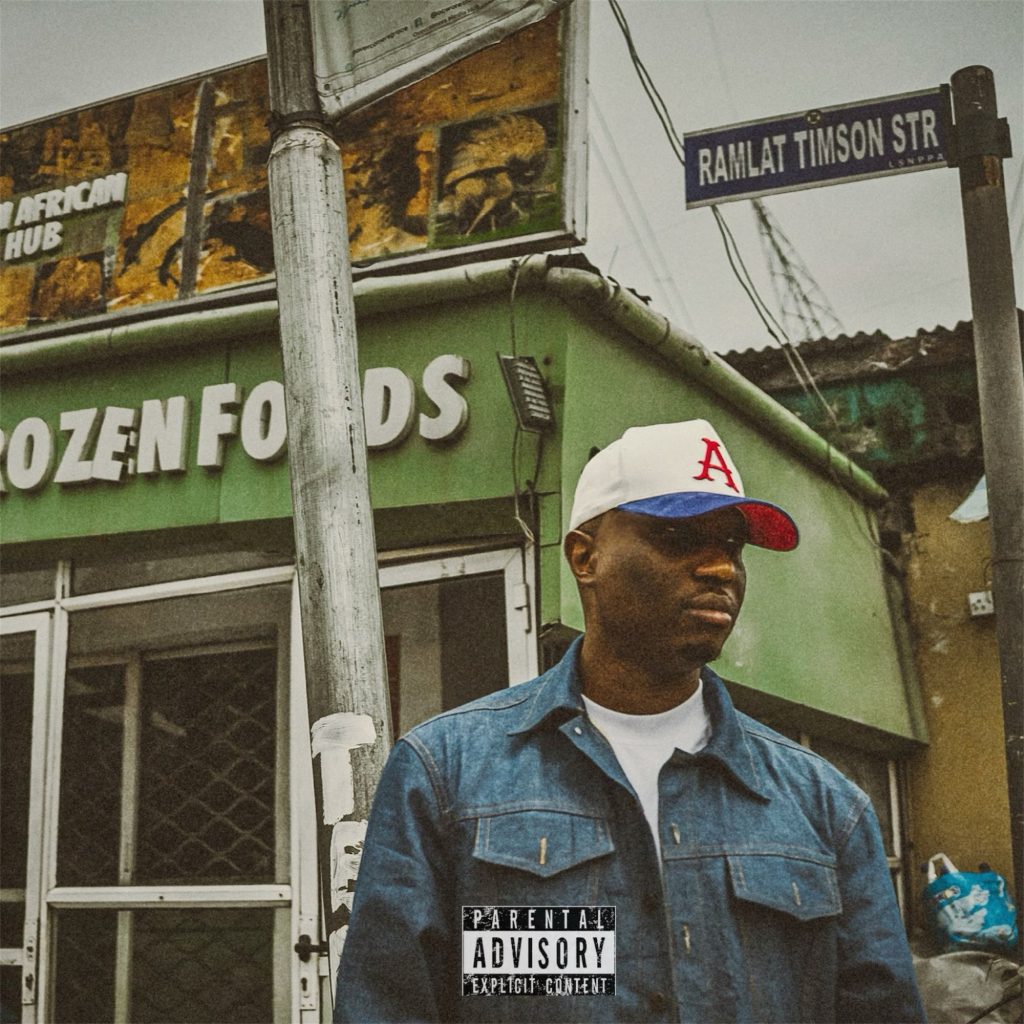
Closing the God’s Engineering trilogy, A-Q delivers an outro that feels both reflective and forward-looking. “One Last Time” sees him take stock of a journey marked by growth, struggle, and eventual elevation. Dwin The Stoic’s soulful hook and verse amplify the emotional weight, complementing A-Q’s storytelling as he moves through sadness, confusion, betrayal, loss, victory, gratitude, and grace. It is deeply human, inviting listeners fully into his world.
#3 Gasoline — Odumodublvck & Vector
Odumodublvck knows how to command a moment, and “Gasoline” is no exception. As an outro, it finds him addressing critics head-on, reaffirming his trajectory with unshaken confidence. He positions himself as someone backed by divine forces, certain of his place in the industry’s future. Vector adds depth and perspective, acknowledging shifting power dynamics while emphasizing discipline and longevity at the top.
#2 Born Winner — Burna Boy
Burna Boy remains a huge student of the craft, and his respect for musical tradition shines through on “Born Winner”. Sampling a spoken affirmation, the record centres on destiny, resilience, and triumph. Burna leans into gratitude and celebration, fully embracing his superstar reality after defying the odds to become one of Africa’s most successful exports. It’s a fitting, affirming close to “No Sign of Weakness“.
#1 With You — Davido & Omah Lay
There was little doubt this would top the list. A collaboration we never knew we needed, “With You” captures Davido at his celebratory best, continuing themes of life, love, and success from the perspective of fulfilment and joy. Partnering with Omah Lay, he delivers a record that shook the soundscape, sparked viral moments, and earned widespread recognition. As an outro, it is triumphant, emotionally resonant, and culturally impactful—everything a great album closer should be.