On His Latest Project, The Rave Lord’s Perchance For Continuous Sonic Evolution Persists.

Sonic evolution is a great thing and the one attribute of a superstar likely to stand the test of time. The quality of locking in on your endearing traits as an artiste and re-inventing them continuously to remain distinguished and on top of the pulse—is a special talent audiences will always revere. Sure they might initially balk at the idea of their favorite singer shedding familar robes they’ve clung to over the years and developed attachments to but if the music remain true to the pathos of the artiste, they’ll always come around.
Besides the alternative is remaining predictable and running the risk of becoming a one-trick pony lost to the sands of evolving times. Rema understands this better than anyone and that’s why he’s obsessed with staying ahead of the curve and taking creative risks faster than most of his peers. It has yielded in great results of him being one of the most relevant popstars of his generation, but that doesn’t necessarily mean his restless hunting of a new wave is beneficial to his music all the time.
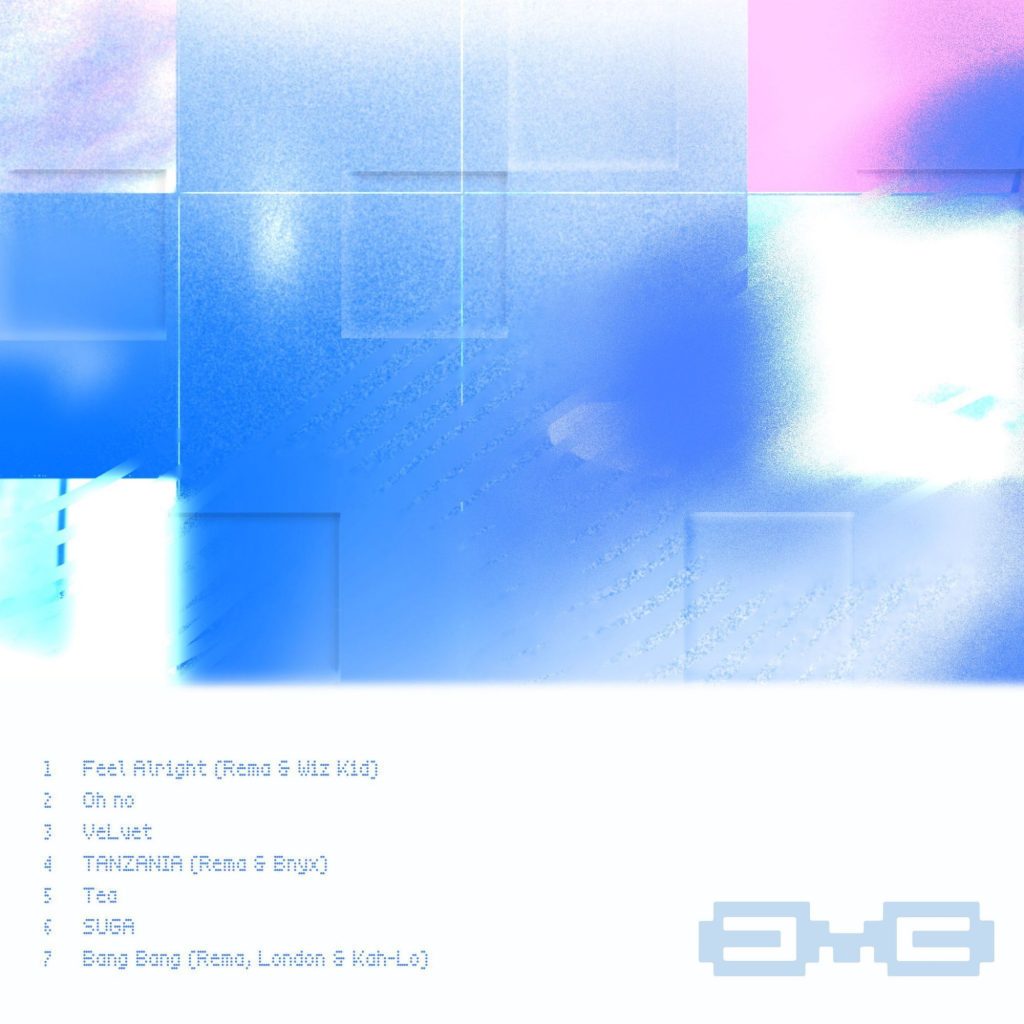
The success of a popstar’s era is measured by the virtue of it’s dominance and sonic impact. There is only so much impact a sonic phase can have if it’s not allowed to breathe and exist for a reasonable amount of time to define an era. To his credit, E-Mortal Boy isn’t Rema’s first venture into dancehall territory and the EP was preceded by songs that were sonically adjacent to this soundscape—but it’s quite clear that some songs would be better off, if they had less complicated approaches that weren’t borne from a place of forcefully creating something unique or divergent.
Rema’s execution on EP singles, Oh No and TEA are emblematic of the aforementioned problem. Oh No is a much more straightforward Afro-bashment record with Rema displaying his impressive chameleon qualities of getting totally absorbed by the identity of the track that he’s almost unrecognisable in his delivery on other songs of varying templates. The pockets he find on the song, especially the second verse makes for very licentious grooves that’s sure to set the dance floor on fire.
TEA on the other hand is cut from the same sonic fabric but it’s much more risque. There’s an electro-synth fusion to its bounce and Rema’s delivery is edgier and more animated. This writer does like this song a lot, despite it being a divisive one and understandably so. The “like tiger” line does nothing for the song and despite understanding the sentiment and the pirate twang of Rema’s accent on the track, the song and the prior bars preceding the line is definitely better off without it.

SUGA on the other hand is a more extreme example that largely falters due to its ambition. The profane novelty of Rema’s accent has mostly worn off now and isn’t exactly dynamic in the context of the song. His cadences and lyrical detailing of his love interest’s treachery remains intriguing but the voice does more to alienate than elevate, especially when the song starts with coarse ramblings about abstract nothings. This is just being edgy for edginess sake. On his previous EP, these sort of deliveries matched the hyper-pop terrain because that genre by design is mainstream deviant and requires equally deviant approaches.
It’s no wonder the EP really comes alive on Velvet and TANZANIA, when Rema keeps it simple. Velvet is oddly reminiscent of 2014s Afrobeats permeated by the Shoki bounce but Rema leaves his own imprint by deploying his signature Bollywood-esque vocals and hopeless romantic croonings that defined his debut album. TANZANIA has a more rebellious gyrating groove that makes it ample for the most sinful of dutty whynes on the dancefloors.
The airy flutes and the visceral Afro-percussion of the track subtly makes a play for early 2000s African dancehall and old Nollywood aesthetic but Rema’s unique vocal texture ensures the song is unmistakably his. Bang Bang on the other hand is such a nothing burger track it’s a mystery how it made the cut. It’s not an outright offensive song and clearly has a European EDM ingenuity going for it but it’s so painfully generic, that it’s passable for music you hear during unsolicited ads on social media platforms.
Feel Alright taps into the sensually charged, psychedelic frequencies of RAVAGE that powered songs like Don’t Leave and Red Potion. Despite being tailor made for Wizkid’s midtempo affinities, it doesn’t work like the RAVAGE songs because the magic in tracks like this is ambience and wholesome sound immersion but the production here isn’t half as maximalist or expansive as the meticulously crafted beats on RAVAGE. That’s not to say there isn’t beauty in simplicity because this song is good, but it’s fine margins that separate great songs.
The roll-out of Rema’s E-Mortal Boy was intriguing and promised new adventures for the Rave Lord and while he did manage to unearth some new dimensions to his artistry, his delivery on some songs seem forcefully inventive and do not exactly work. Rema has the mindset of an innovator and that’s always a good thing in the long run but sometimes, you need to take a breather and let your audience catch up a little before pushing on—because while it’s good to be ahead, you shouldn’t be too far up ahead that you lose everyone in the dust.
Final Verdict:
Sonic Cohesion: 1.4/2
Expansive Production: 1.4/2
Songwriting: 1.5/2
Delivery: 1.3/2
Track Sequencing: 1.4/2
Total: 7.0/10