On his long-awaited, highly anticipated sophomore LP—the popstar doesn’t reinvent the wheel and mostly plays it safe sonically.
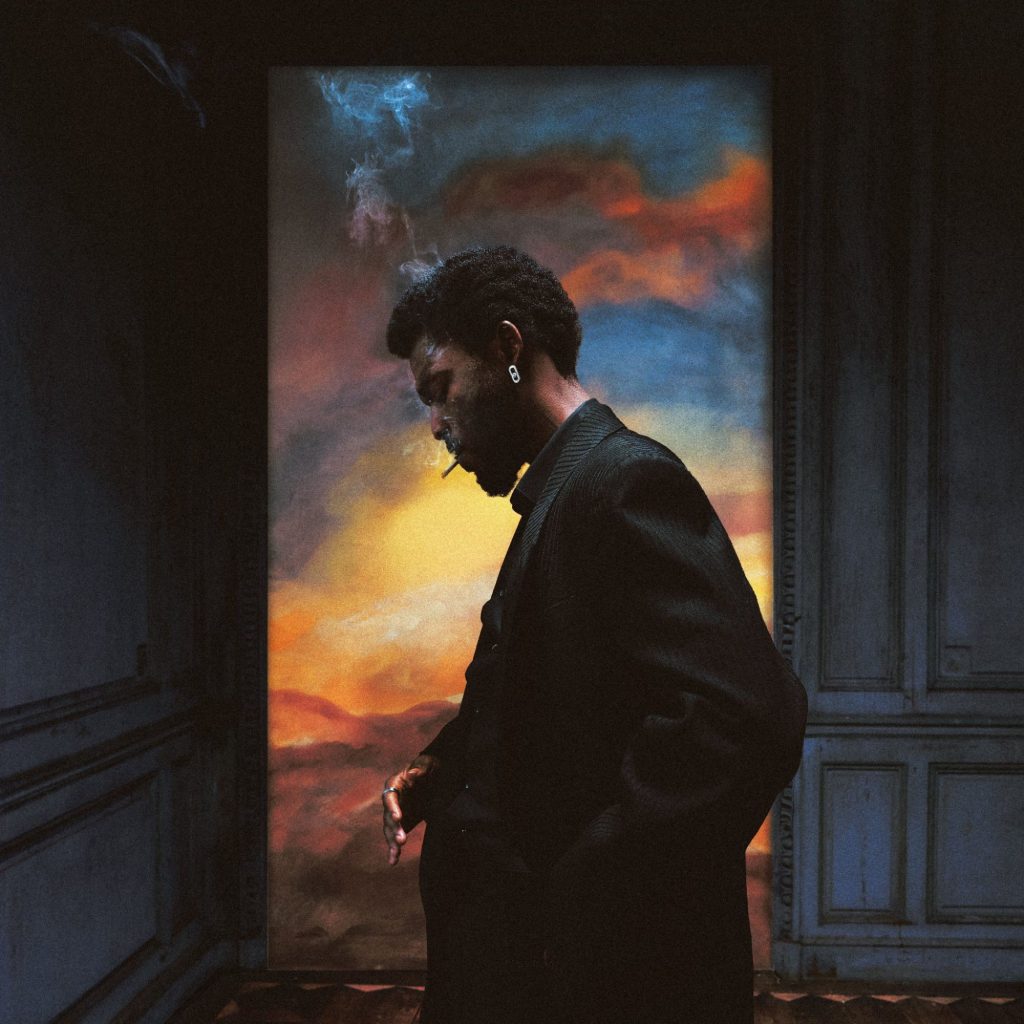
Fireboy DML’s Laughter, Tears & Goosebumps, Asake’s Mr. Money With The Vibe and Omah Lay’s Boy Alone make up a trifecta that’s the holy grail of quality, where debut pop albums are concerned in the streaming era. Sonically, they’re all masterpieces in their respective rights but what puts Boy Alone above the other two classics—are its strong thematic arcs that define the album.
Boy Alone chronicled Omah Lay’s reality as a popstar and the grueling details of his past in such painstaking, nuanced detail, that the pain became resonant and the overall anchor of his music. The comical ‘Afro-Depression’ moniker was attached to his music simply because of how palpable his pain was—as he’s certainly not the first popstar to make sober records, but his approach was so…liberatingly cathartic that people found much needed solace in it, even when the music wasn’t relatable.
So this writer went into this album expecting the same level of intentionality, where the thematic relevance is concerned. After all, if you’re going to make us wait four years, then it’s not illogical to expect another brilliant storytelling odyssey—that all comes together in a fluid way to herald another new era of Omah Lay, with it’s own distinct narrative. However, CLARITY OF MIND doesn’t do that and mostly rehashes the past in a less nuanced way.
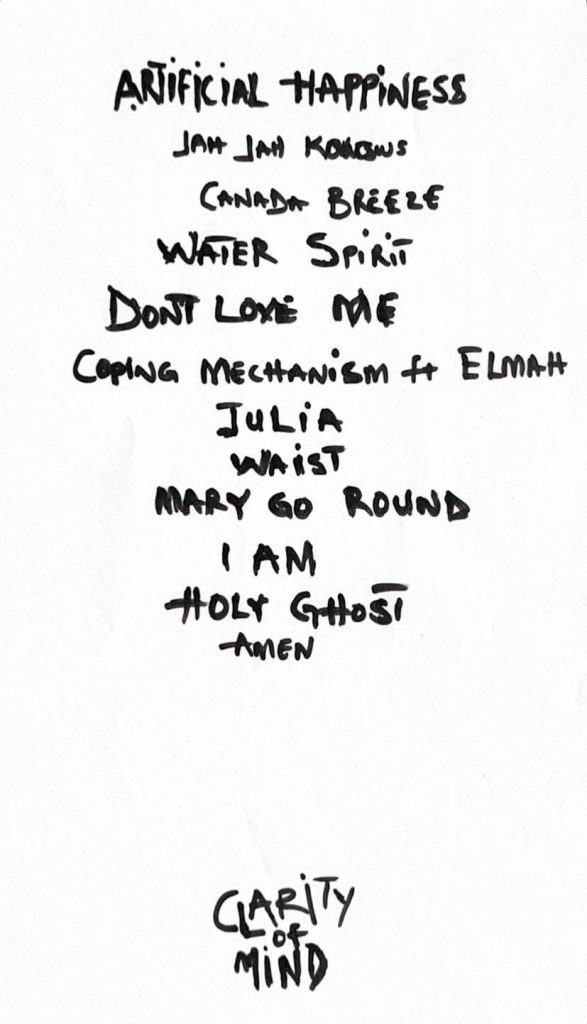
Omah Lay wastes no time in reminding you that he’s still one of the best writers around on opener, ARTIFICIAL HAPPINESS and likens his stubbornness of losing his mind in his vices of drugs and sex—to dying at the war front. Asides a few lines that remind us of his promiscuous ways, this song isn’t saying anything in specific and that’s fine because it sets the mood well for the album. However, the hook is the only compelling part of the song and the verses are a tad underwhelming.
JAH JAH KNOWS features very traditional drum rolls, with harkat-inspired Hindu choral vocals simmering underneath. Omah sings about losing himself in his chase for success and legacy, telling his love interest not to wait around for him because of his higher calling. This talking point is reminiscent of the survivor’s guilt that haunted the entirety of his debut album and there is nothing wrong with revisiting old themes, as long as you find fresh ways to do so.
The problem is that his performance on this song is nothing close to great or even impressionable. It’s just functional. Things do get interesting on the two-track sequence of CANADA BREEZE and WATER SPIRIT. The former is indented with the sort of drums that mimick the soaring rhythms on marching drumlines, while the latter is another hall-of-fame debauchery record in the making. Both songs don’t stray beyond his antics of indulging in toxic coping mechanisms of intoxication and sex, but that’s not an issue when he does find a fresh way to visit these themes again.
DON’T LOVE ME certainly has potential to be one of the album’s brightest spots because the production here is ingenious. The drum patterns mirrors that of an emo-trap one, while retaining the punch of Afro-percussion. Omah Lay’s chorus here too is really good but it’s a shame that the verses are underwhelming. ELMAH’s vocals are so angelic on COPING MECHANISM, that it would be a shame if it wasn’t left to breathe and be the star of the show because it’s basically an instrument on the record.
The drums here are soft, like rain drops pattering on a window pane on a cold night and the soothing ambience of the record exudes one of being snuggled under a warm blanket. It’s for this very reason many will find comfort in this record, as it’s the most therapeutic one on the LP. JULIA is a filler track that has no business being present on a short 30-minute album. The electric guitar does give it a nice touch, but it’s mostly a rehashing of CANADA BREEZE‘s template without the lyrical ingenuity.
WAIST is one of the better House fusions and it’s done so tactfully, that the song doesn’t lose its gbedu touch. Omah is up to his usual shenanigans here again, but the pocket he finds in the opening verse especially is one of the more impressive ones on the record. MARY GO ROUND is this writer’s favorite on the album and here, Omah shows some vulnerability and also hints at caring deeply for his woman beyond her ability to satisfy his sexual desires. The classical guitar strings here melds with sonorous violin riffs and makes for a sombre, despondent atmosphere, which is Omah’s bread and butter.
We head back to House soundscape on I AM, and the Afro-Tech inspired beat is subtly 3-step coded, although it doesn’t fully commit. Omah understands the assignment and lets the beat breathe, simplifying his delivery to bragging about how how he’s the baddest in the room. This is arguably the best song on the album because of how distinctly good it is, in respect to other songs in his discography and while this writer is skeptical about the song’s single potential—it remains the brightest spot on here. Lekaa Beats, take a bow.
HOLY GHOST remains the best pre-released single and that’s once again down to Lekaa Beats creativity, in breaking the generic formular of Amapiano-fusion beats and finding fresh ways to incorporate log drums. AMEN isn’t a bad album closer, but it comes after two of the best songs on the LP and as a record saddled with the responsibility to close things on a high note, it falters. The production is painfully derivative of the same pulsating bounce that defined CANADA BREEZE and JULIA, and Omah’s introspection here is surface level at best and and disappointing from a writer of his caliber.
CLARITY OF MIND is a good album but it barely offers anything fresh and riveting from Omah Lay, and after such a long wait—it’s a bit of a let-down. The same themes of survivor’s guilt, toxic coping mechanisms and sexual anathemas that defined his last outing are also rehashed with less nuance and intrigue on this album.
There are brief sparks of ingenuity on the few House fusion tracks, but that’s hardly enough because he doesn’t commit to it for the bulk of the album. Anyway, It’s always an insurmountable task to live up to a debut album like Boy Alone and almost anything would have paled in comparison in the eyes of the public, so hats off to Omah Lay for delivering a solid album nonetheless. For his own sake, the next one doesn’t take as long because if you’re going to make people wait that long, then the album better be as monumental as the second coming of Christ.
Final Verdict:
Sonic Cohesion: 1.6/2
Expansive Production: 1.3/2
Songwriting: 1.6/2
Delivery: 1.5/2
Optimal Track Sequencing: 1.3/2
Total: 7.3/10