On His 12th Solo Studio Album, The Ultra Prolific Rapper Finally Sounds Creatively Exhausted And In Need Of A Break.
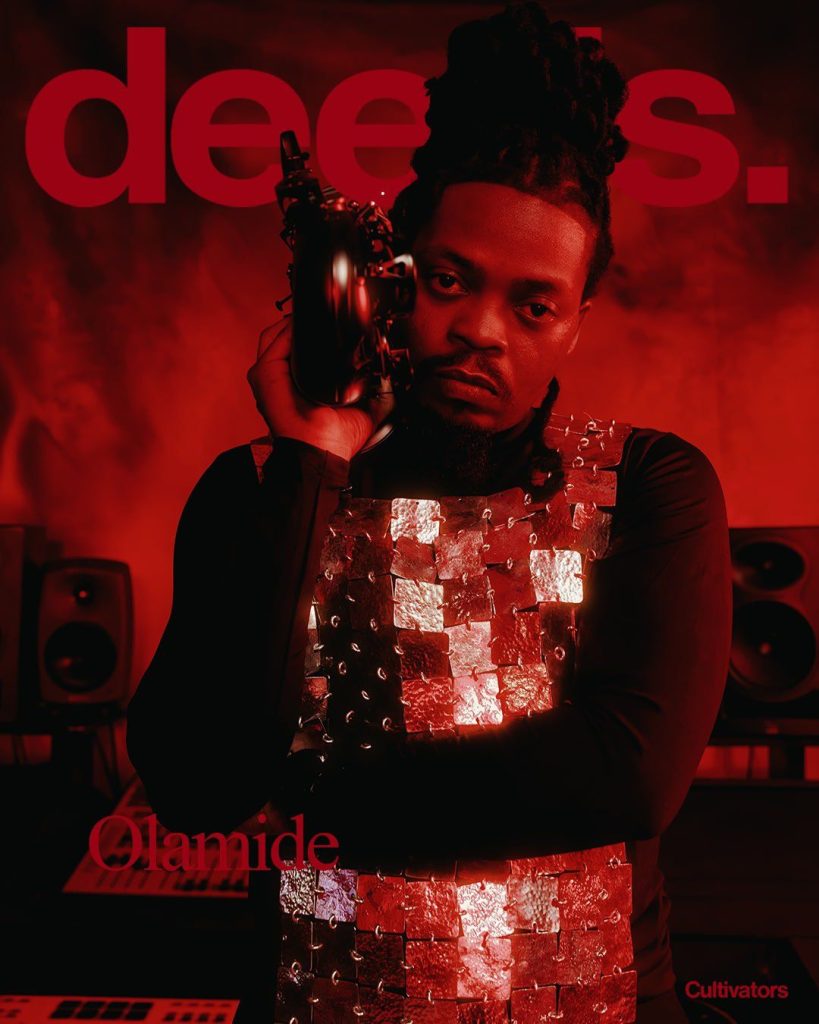
It’s been sixteen long years since the class of ’10 surfaced and laid siege on the mainstream and refused to relinquish their hold at the top of the sonic zeitgest. Prior to their insurgence, the lifespan of legendary pop acts used to be a decade and despite a new wave of divergent superstars infiltrating the scene at the dawn of the new decade—they have failed to displace Olamide’s generation totally from the top.
Olamide being the sole rapper in that echelon of ’10 superstars meant he had a bigger herculean task than the rest. He had to consistently marry his identity as the country’s rap kingpin into pop and mainstream soundscapes in a way that retained his sonic identity as a renowned emcee, while still appealing to the sensibilities of his pop fans alike. It was no small feat but Baddo rose to the occasion more often than not and built a discography for the ages.
In his veteran years with nothing left to prove as the greatest rapper the country has ever witnessed, he embraced his pop affinities even more and prioritized curating cohesive album experiences over energetic rap anthems that pushed the needle. His run of albums in the new decade don’t match his trifecta of classics in the early 2010s but they were more immersive, refined albums that delivered great music nonetheless. Carpe Diem is easily top 3 in his discography, UY Scuti unlocked an ingenious Dancehall depth to him we had never seen and Ikigai Vol. 1 was an ambitious expedition into Asian-adjacent soundscapes. Bottom line, Olamide continued to take creative risks despite being past his prime.
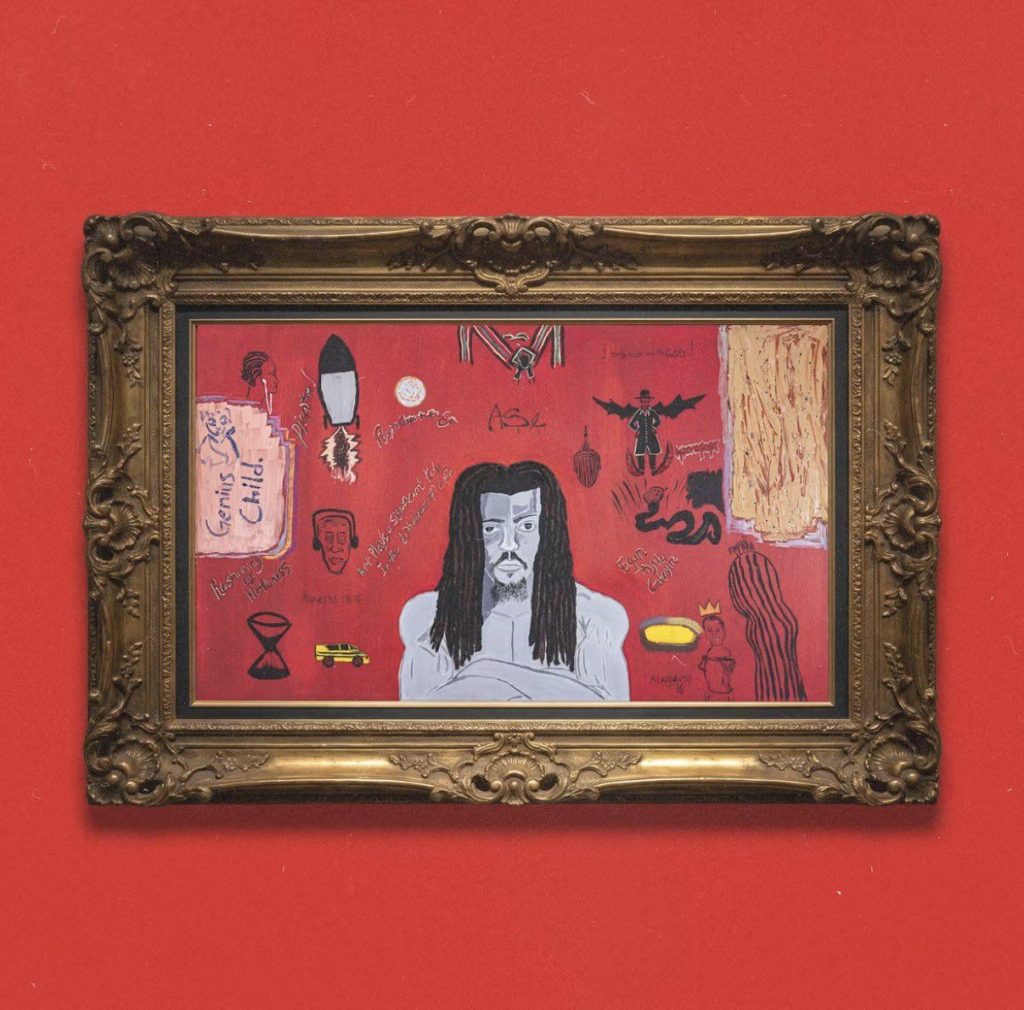
The cracks however started to appear on 2025’s Olamidé a decent offering that was bereft of creative risks and lacking in the raw dynamism that defined Olamide—even in his veteran years. On Time and Space, those flaws are more pronounced than ever and it’s become evident that Baddo is creatively exhausted and needs a break to get inspired once again.
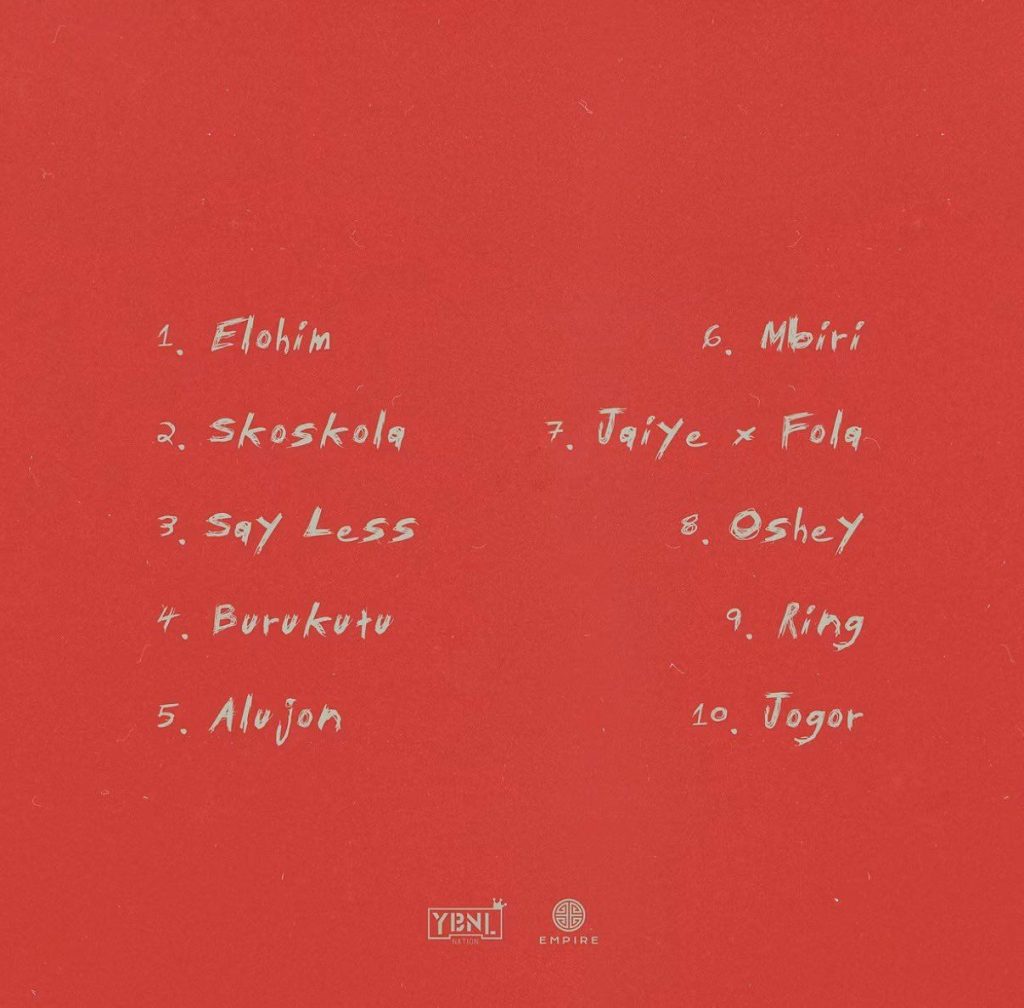
To his credit, Olamide does venture into new sonic territories as this LP explores House fusion—like a lot of mainstream albums this year, but he barely does anything interesting on these beats. Elohim, Mbiri and Oshey are cut from the same sonic fabric of Afro-House templates, seasoned with Amapiano elements that make them mainstream leaning but Baddo’s delivery across these songs are underwhelming.
His writing remains sharp and there’s no doubt under the sun that he’s the most accomplished writer the genre has ever seen, but the variety and range of delivery is lacking. His choice of flows on the aforementioned song is the same and it makes said songs so interchangeable and monotonous. The depth in his writing deftly captures the sophisticated essence of his superstar reality, his everlasting gratitude to God and his undying thirst for more in spite of his success so far. However, the songs lack a reasonable bite to them and personality that you’ll come to expect from Olamide.
Skoskola is also derivative of the House/Electronic influences that define the LP but his delivery is more energetic and dynamic. The narrative rarely ventures beyond documenting the exhilarating chaos of his manic lifestyle but his melodic rapping is more competent here and the hook is quite contagious. Say Less isn’t as potent as Skoskola, as his cadence lacks a certain fluidity that makes his rapping a bit clunky. Which is a jarring thing to hear on an Olamide album because not many artists have the same level of clarity you’ll hear in his music.
Burukutu suffers from the same symptoms of lackluster verses of jam-packed lines that aren’t charismatic enough for a rapper of Olamide’s ilk, despite a good chorus. Alujon coming right after Burukutu buttresses this criticism even more because it’s such a beautiful record that reminds you of Olamide’s proficiency on these pop beats as a rapper. The production here deviates from House fusion and is more indigenous with its talking drums and ibile bounce. Baddo reminds you he’s second to none in crafting these party records with sublime bars that epitomize his Yoruba cultural identity as the life of the party—keen on giving everyone a great time.
Olamide isn’t in his best form on this LP but the production barely salvages his performance across board. The production is largely one-dimensional and songs like Mbiri and Ring suffer for it. The former is more pulsating but is hardly distinguishable from the latter, which is a more somber record striving for an intimate and kindred pathos but the beat sequences are the the same and vary only in BPMs. Ring does have soulful jazz horns that gives it a distinct vibe from the rest, but the narrative and frequencies are similar and it’s a shame because these songs were intended to be starkly different from each other.
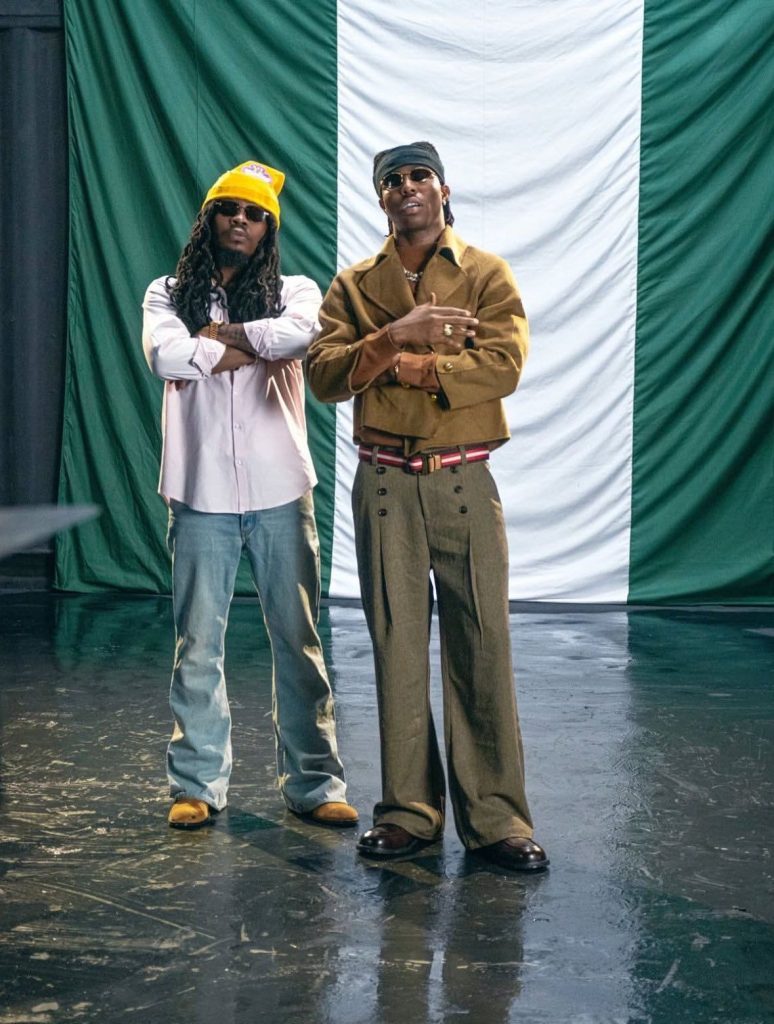
The presence of FOLA on Jaiye does inject some fresh energy into the LP that is much needed. The popstar’s album might have suffered from similar monotony obstacles that Olamide’s LP also struggles with but he doesn’t fail in rising to the occasion with a stellar verse—like he’s done on all his guest appearances on albums this year. The production on Jaiye takes a detour into the underbelly of Afro-tech vibrations and it’s ideal for FOLA to deliver his magic. Olamide is also lively on this track and his verse on the track is arguably his best on the LP.
Fortunately the album closes on a strong note with Jogor, a 3-step groovy House record with Mara rhythms that samples Wizkid’s “Pakuromo” and Niyola’s “Toh Bad.” The melodies here are nostalgically reminiscent of early 2010s Afro pop and the track is very light on lyrics so these melodies can breathe. Jogor is a good song but it’s also emblematic of Olamide’s super laidback approach on this LP that doesn’t work.
The writings were on the wall with a title like Time and Space, a concept that is built on the tenets of tranquility and an ambience of still waters. In his defence, Olamide has taken a laidback approach on most of his albums in the 2020s but he had retained his energy nonetheless on those albums and a vibrant spark that made his records electric. That identity is lacking here and it also doesn’t help that the production is one-note also. Baddo has nothing left to prove and has earned the right to take a break until a time he can sing with renewed conviction once again.
Final Verdict:
Sonic Cohesion: 1.5/2
Expansive Production: 1.0/2
Songwriting: 1.4/2
Delivery: 1.0/2
Track Sequencing: 1.1/2
Total: 6.0/10