On His Sophomore Album, FOLA is Content Within The Boundaries Of The Familiar And Doesn’t Challenge Himself.
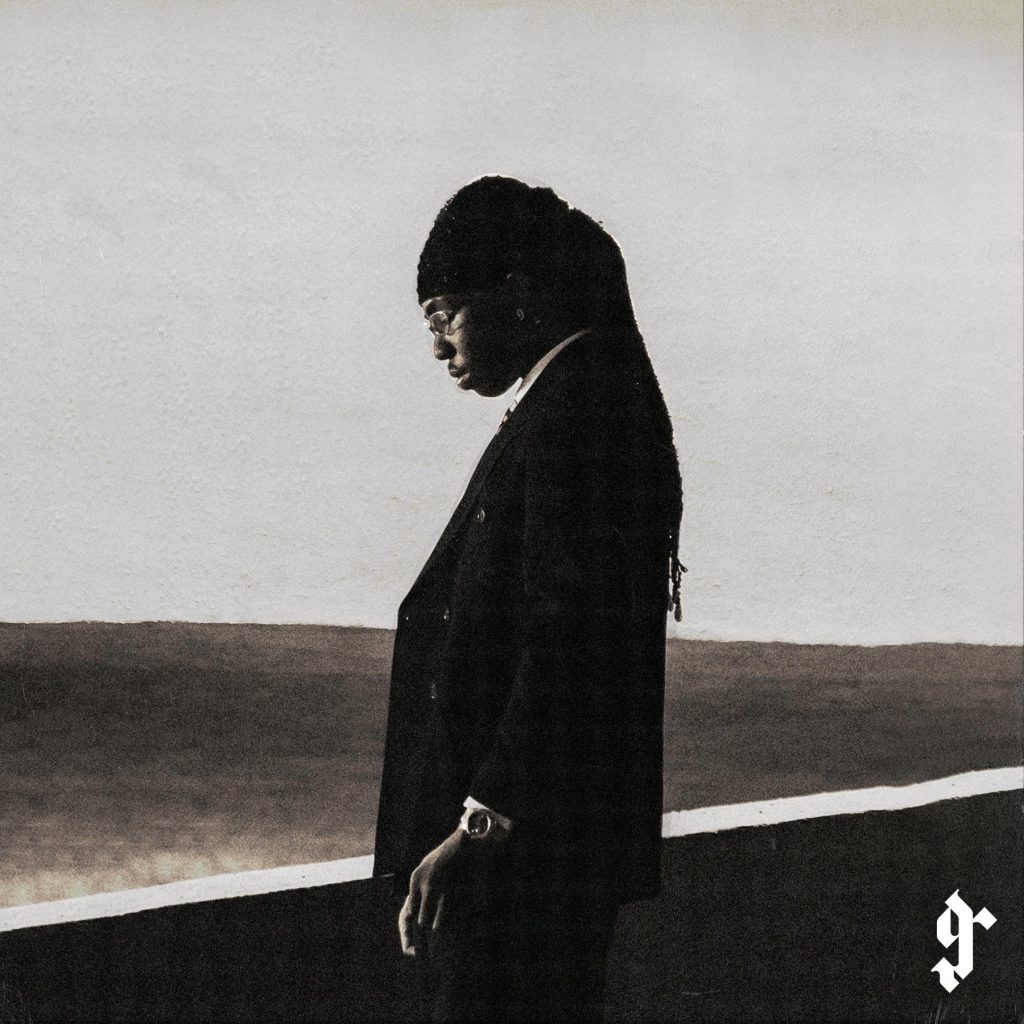
FOLA is an underrated writer. He’s not given enough credit because he opts for pidgin and Yoruba fusion, as opposed to lofty English words and metaphors like most of his celebrated peers do—but his unparalleled mastery of dynamic flow and rhythm on mid-tempo beats is unparalleled. Indeed his subject matter rarely ventures beyond sensual musings of coquettish women and self reflections of his wealth on the come up—he nevertheless finds new poignant ways to talk about these stories.
catharsis is no masterpiece but it was one of 2025’s best albums due to how unapologetically earnest the music was. FOLA embodied the role of the doe-eyed lover and poured his heart out on every track with emotive vocal performances and compelling love stories that tugged at heart strings all across the country. On his sophomore outing however, the music does evolve topically and while it retains its romantic and aspiratory yearnings—it’s not quite as wholesome as before. Sonically though? It’s more of the same.
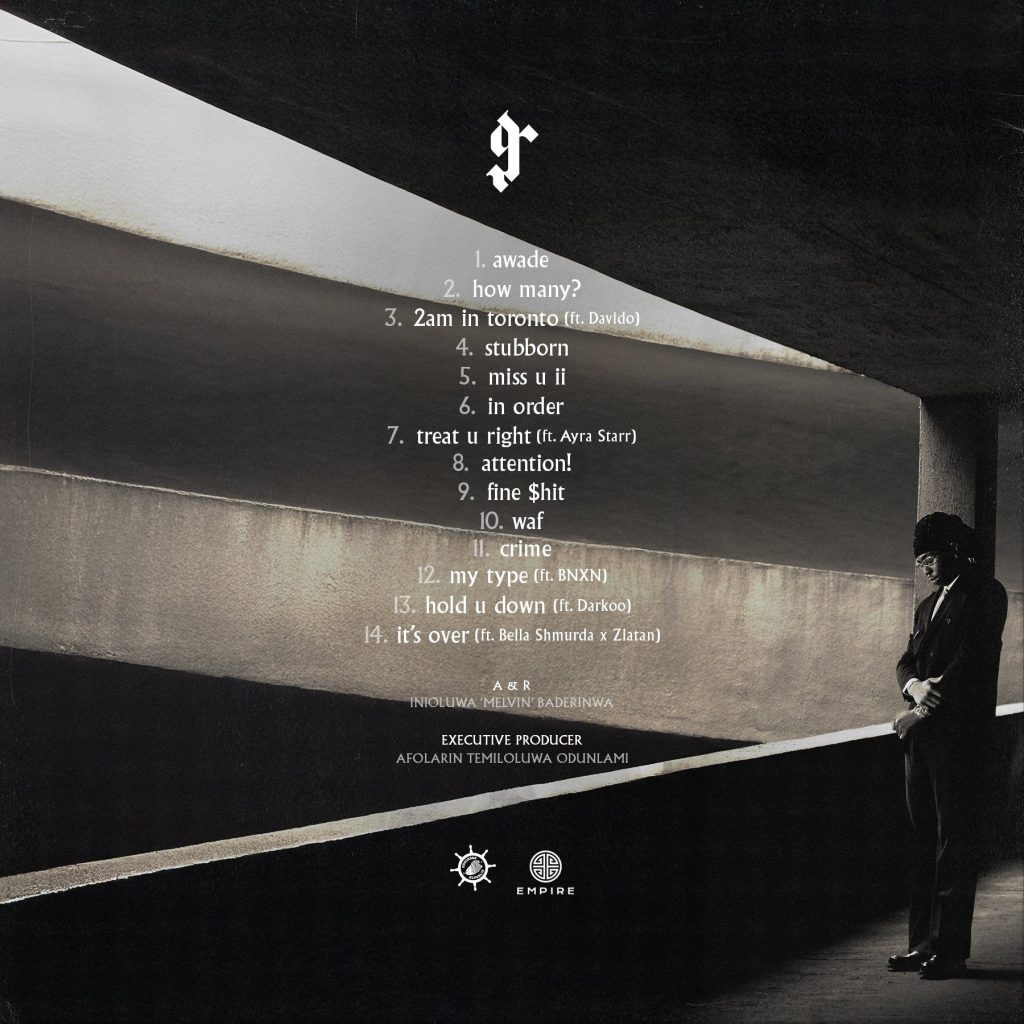
Talking drums open the self-eulogizing awade, where FOLA sings “Awa la’n gbe won debe” attesting to the fact that he’s the man of the moment that makes things happen. He was arguably 2025’s artist of the year, while being a breakout act and that in itself is no small feat. It makes sense why he’ll want to remind you off the bat that he’s the man, just before you delve into the entirety of the album.
how many? features heavier drums with even more tepid piano notes with the heavylifting left to FOLA’s dexterous flows once again, a particular pattern his debut album was notorious for. FOLA isn’t done bigging himself up and on this track he approaches it from an angle of stubborn resilience as opposed to the main character energy of the opening track. This is a fine two-track opening sequence and when 2am in toronto comes around, the tempo should absolutely get ramped up but it doesn’t and it remains static—which is a curious decision and not the best use of Davido who excels on upbeat pop records.
The track opts for a soulful ambience with minimalistic production and while the writing from FOLA is profound enough to channel deep emotions to convey said ambience—it’s a profile mismatch having Davido on this track. Log drums and shakers come into play on stubborn and it’s here FOLA starts to push his luck with the monotony of this LP. Across four tracks, the pace of the LP is the same and his delivery style is rarely varied. These are ultimately good songs and stubborn does have a distinct narrative of making the most of life and living to the fullest—but stacking these songs next to each other, this way with minimalist production is tedious.
Classical guitar strings and swing drums are intertwined on the production on miss u ii, providing little variance despite not deviating from the labored midtempo pace. Things finally take an interesting turn on in order when heavy percussion, drum rolls and saxophone riffs kick in. The drums here might be distinguishable from the bulk of the album but unfortunately it still falls prey to predictable drum sequences that plague the LP and it doesn’t help that FOLA’s writing is rendered one dimensional, due to the sameness of these soundscapes.
Unlike 2am, where there’s a profile mismatch of Davido on a midtempo emotive love song, Ayra is the right vocal and thematic fit for treat u right but the song is so painfully formulaic that it’s frustrating. FOLA deplores a flow he has rinsed times without number on previous songs and the beat here is so painfully familiar to the rest of the album, it almost feels like the LP is on loop. Ayra is the right fit for this and her sultry vocals power through the mediocrity of it all—salvaging the song somewhat with honest confessions of the delirium of love.
attention and fine ting are more of the same old monotonous formular that unearths nothing new for FOLA. The former is Afro-House leaning with sparsely arranged drums and a baseline rattle, while the latter is more outdated Amapiano fusion slop the album could have done without. On both songs, he’s buttressing the depths of his pockets and his willingness to blow it all on his love interest as long as she’s willing to indulge his sexual shenanigans. His flows on both songs is so interchangeable, that if you did swap them around they’ll most likely remain the same songs.
FOLA gets even more vulnerable on the next stretch of tracks. On waf, he’s repeatedly asking his summer fling if she’s sure she wants to take a leave but a closer peek into his feelings unveil that it’s him simply hoping she’ll stick around, when he should absolutely take his leave. crime hardly offers a fresh perspective but it does have the sonic twist of sampling 2Baba’s “Love Is A Crime” efficiently in a manner that it mines its nostalgic feels to the max and that would be enough for it to resonate with audiences.
my type is adequately optimized for the BNXN feature with its garage sonic template and it enables BNXN to slide and do his thing. The less said about FOLA’s samey approach, the better. At this point, I sound like a broken record. hold u down is hardly an improvement but there’s at least a fresh dynamic of a soothing vocal back and forth between FOLA and Darkoo. The album finally closes with it’s over featuring label boss, Bella Shmurda and veteran rapper Zlatan.
The song treads common album closer tropes of stronger success aspirations and prayers of gratitude which is a terrain both featured acts excel on. Bella brings the melodic spiritual ambience and Zlatan’s ratchet flow is elevated by the beat switch. Despite the album’s pitfalls, it does start and end on a high note but is unfortunately painfully tedious for the bulk of it’s runtime.
It’s honestly frustrating to see a talent like FOLA release an album that’s so bereft of ambition and adventure, that nothing here sounds groundbreaking or remotely experimental. The talent is here, as evidenced by his flow charisma and base writing but it’s hardly ever put to good use on an LP that’s content with utilizing one beat structure from start to finish. Making sophomore albums after highly revered debuts is a very challenging task but this is not a commendable effort to laud anyone for. It also makes little thematic sense that an album titled after the sentiment of being a hitmaker has zero interest in making hits.
Final Verdict:
Sonic Cohesion: 1.5/2
Expansive Production: 0.5/2
Songwriting: 1.0/2
Delivery:1.0/2
Track Sequencing: 1.0/2
Total: 5.0/10