On his fourth studio LP, Asake takes his laidback approach a step further—becoming as cool as sloshing water at the beach.
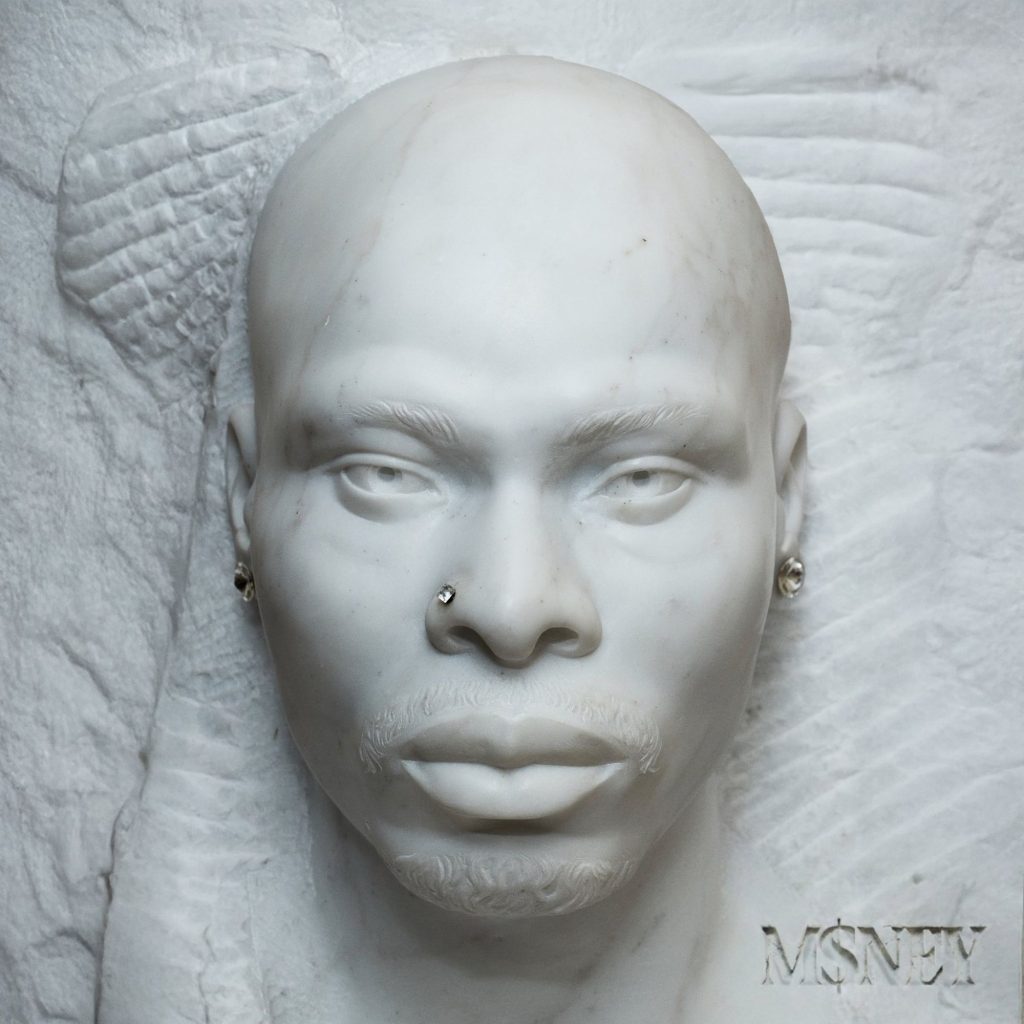
Two years ago, this writer—alongside a multitude of other culture custodians—criticized Asake for the stark deviation from his aggressively coded lamba style to a more lax one, that abandoned his dynamism as an artiste for a more rhythmic approach. This resulted in Lungu Boy being his least impressive album, despite having numerous peaks that displayed flashes of brilliance from the past.
On M$NEY, Asake has doubled down on that sonic formular to the point that he bares almost zero semblance to the artiste he was two albums ago. Of course, artistes are allowed to evolve and do whatever they want—but a sonic evolution should not come at the cost of the overall artistry and shave away at layers of delivery prowess they have stacked up in their arsenal.
However, we cannot keep on critiquing Asake for the artiste he was—especially since he’s made it pixel clear that he’s not reverting back to the old status quo anytime soon. It might be difficult but when you consume this album, solely of its merit as an album and not an Asake one—it’s quite decent.
Asake might have abandoned the swagger of his melodic rapping era, but there’s a peace to be found in the midtempo rhythm of this LP that mimics still waters gently washing up on a beach shore. If you think that’s a reach, Oba opens with birds chriping and stream water flowing, which is clearly intended to create an ambience of tranquility. Despite that, this album is only decent at best—because even if you ignored the surface level writing, it struggles sonically where production is concerned.
Magicsticks and Asake made a classic with Mr. Money, and the LP became the definitive sonic reset of the 2020s—ushering in a wave of Amapiano fusion that has dominated the mainstream till date. The sound however is way past its creative peak and has been on its last legs for a while, prompting Asake himself to abandon it momentarily on his last album and opting to work with Sarz and Priime. Now that he’s linked up with Magic again, it’s almost as if they’ve used up their creative juice and simply fallen back on their old ways.
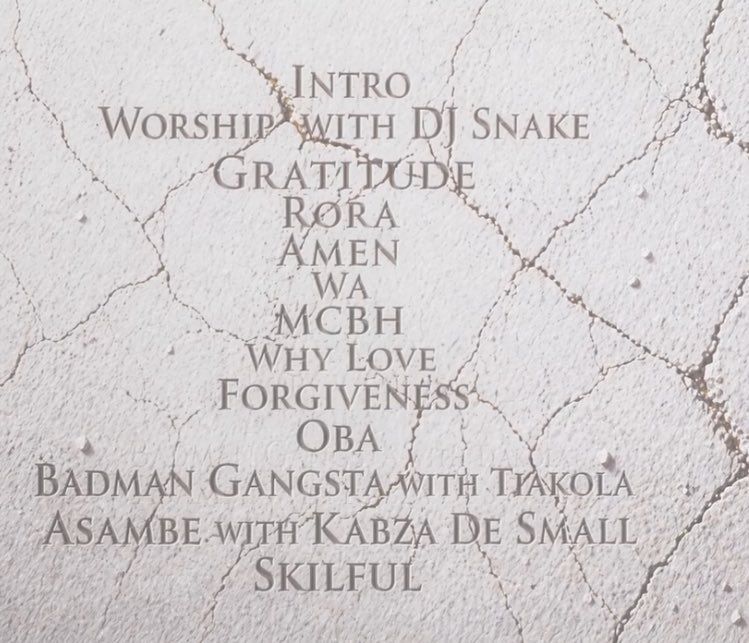
Worship doesn’t fall victim to this vice though and it’s one of the best songs on the LP. DJ Snake brings the magic of his EDM fusion into Asake’s world and it results in a fusion of an orchestra so soulful, that Asake might as well spill jargon on the record and it wouldn’t matter. BADMAN GANGSTA is another purple patch that benefits from being removed from the larger sonic cohesion. Tiakola’s hook is so emotionally charged and Asake dials back time a bit to when he surfed on beats for a living. Both songs are about giving gratitude, although the latter is from a place of introspection.
On the other end of the spectrum, exists songs like Gratitude, Wa, Rora and Oba—that rely heavily on production brilliance and rhythmic ambience. Gratitude does have great melodies, but after a decent first verse—it’s an onslaught of the chorus, over and over again. Wa also has an incredible hook that’s done a huge disservice by a notable lack of competent verses to elevate it. Rora is more Afro-House inspired with sonorous jazz horns and unrelenting riotous shakers. Asake’s minimalist lyrical approach works better here because House is a rhythm and production driven genre.
Oba on the other hand is trying to be Amapiano fusion, garage and Afro-tech all at the same time and fails woefully at it all. It doesn’t help that Asake’s delivery is one-note too and so shallow that there’s almost nothing to unpack topically. Amen is also on the Amapiano fusion spectrum and is made better by the addition of crowd vocals warm piano notes that builds to a crescendo of a pulsing orchestra.
Asake deplores a similar cadence he used on BADMAN GANGSTA on MCBH and once again, it’s the closest thing to him being dynamic on this LP. Nothing much is going on topically and he’s iterating the stance of living life to the fullest, even if money is a shortcoming. It doesn’t come off as profound, because he’s a millonaire who has sang about how his life was unpleasant in the past without said money—but this shouldn’t bother the average listener anyway.
This writer isn’t the biggest fan of WHY LOVE and is still not a fan, but it’s head and shoulders above the bulk of songs on this LP. The writing here is more intentional and while it doesn’t hold a torch to Asake’s old romantic records like Terminator or Remember, it’s at least saying something distinct and has a narrative going for it. The log drums are also deplored in a more creative way here, than usual.
Asake seeks repentance for his sins on Forgiveness, citing his promiscous ways and being a distant to his loved ones as the highlights of his flaws. The beat is nothing special and the chorus is a bit on-the-nose, but Asake snaps on the second verse of the song and we briefly glimpse flashes of his aggressively dynamic version that initially stole our hearts. Asambe and Skilful are fillers that close out the album but the former has Kabza going for it—providing Amapiano production that’s a refreshing departure from Magic’s style. The less said about Skilful, the better. It sounds like multiple old Asake songs in a bad way.
M$NEY is a mixed bag. It’s not the terrible album some are saying it is because it’s well curated and has little filler. At the same time, it’s not great either because it never gets out of gear one and Asake plays it extremely safe. Indeed, it’s disingenuous to keep criticising Asake for not being his old self, when he’s made it clear he has no interest in doing that anymore—but this new version barely offers anything special to replace his old dynamism. The trade off isn’t a good one.
It also doesn’t help that Asake abandons his sonic evolution on Lungu Boy, that had him exploring more global soundscapes and largely reverts to his old Amapiano fusion formular, except now the new songs don’t carry the bite and charisma the old records did. It’s the worst of both worlds but somehow, the music is decent enough and Asake’s starpower will most likely ensure the LP’s success either ways. A new question thus beckons, how long can Asake keep on getting away with his mininalist approach until his fans decide they’ve had enough? Probably not anytime soon is my guess.
Final Verdict:
Sonic Cohesion: 1.6/2
Expansive Production: 1.0/2
Songwriting: 1.2/2
Delivery: 1.2./2
Track Sequencing: 1.5/2
Total: 6.5/10