On the deluxe version of his sixth LP, AG ignores detractors and doubles down on the sonic elements of the OG version.

AG’s sixth studio album, Fuji was a celebration of his culture and identity as a Yoruba man, who is a popstar making music entrenched in his indigenous roots. The “Fuji” title was more of an allegory of his heritage, than it was an allusion to the neo-wéré Yoruba genre because there was a notable lack of Fújì music on the album.
Despite criticism from connoisseurs who mantained that the LP could have done with more Fuji music in spite of the title’s symbolism, AG seems to have paid the sentiment no attention and has mostly stuck to his guns on the new version of the album too. At this point, it would be like beating a dead horse—if one opted to scrutinise the deluxe on that same metric and not simply accept it for what it’s trying to be.
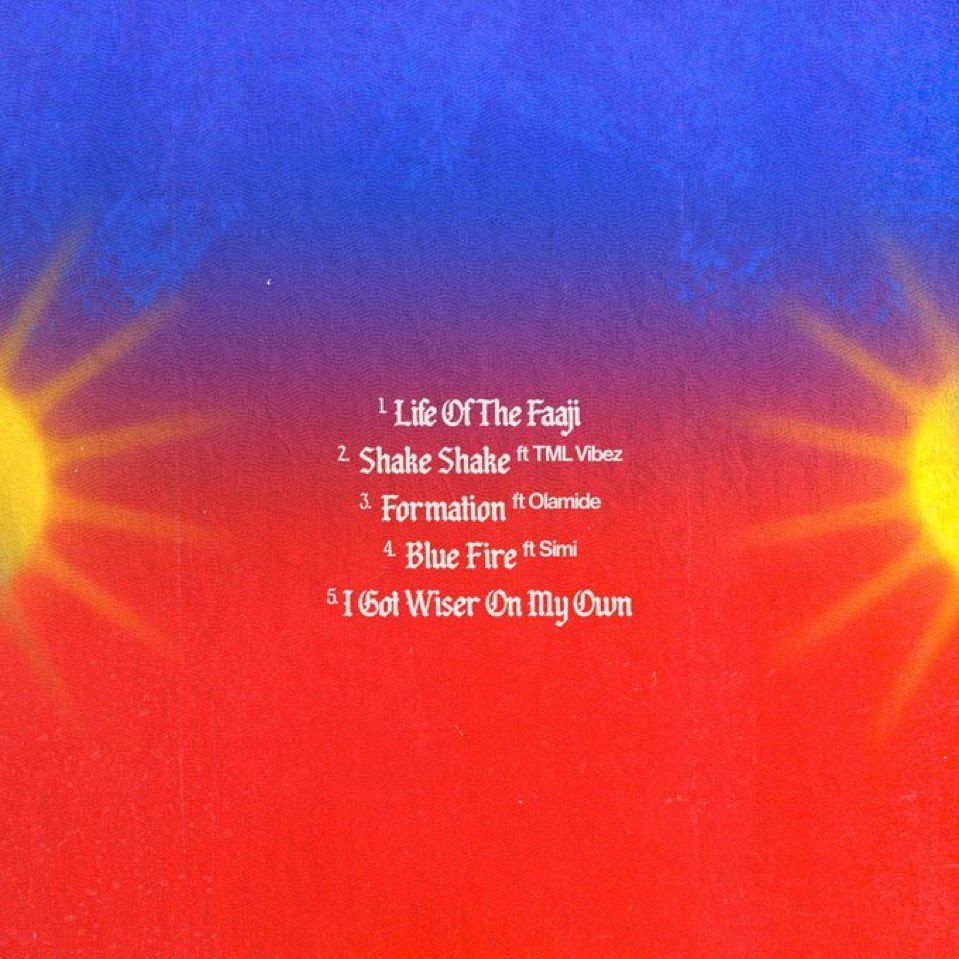
Zlatan backs AG up on Life Of The Faaji, a colorful Afro-pop song replete with acoustic and jazz-guitar riffs. Fújì is a feel-good genre, so Life Of The Faaji simply translates to the good life and AG frames himself as the center of attraction and the “life of the party.” It’s clever how AG weaves metaphors into his modern interpretations of the genre because if there’s one thing Fújì stars are renowned for—it’s for lighting up the dance floor at parties and being the hub of the exhilaration.
Shake Shake isn’t as grounded as the LP opener in its Fújì roots, as it loses the dynamic interplay with the background vocals and AG—alongside AG’s vocal texture not being Fújì coded, but thankfully TML Vibez is enlisted on here and he brings some much needed cultural flavor to the licentious soundscape of gyrating women waists. Formation dials the tempo further up a notch—unleashing more unruly drums that makes it the grooviest record of the bunch.
The production is infused with talking drums and the choral vocals are stacked so beautifully, with varying notes. AG Baby and Olamide’s writing is also Fújì-optimized in its delivery in the sense that it simulates a great live performance. Blue Fire opens with sultry classical guitar strings and slows the tempo down to something much more intimate, like the exchange between AG and Simi on the song—that mirrors an intimate conversation between lovers.

I Got Wiser On My Own is self-explanatory and AG sings stories of self-adulation, crediting his evolution to an intentional commitment and sacrifice to the game and his success, the resulting pay-off. The drums here are vibrant and heavier in percussion than the other new records and it works to a tee. Honestly, this works as a much candid sonic conclusion to the album than Obimo does.
Unlike most deluxe versions of albums that justify their existence solely on one record, Fuji Xtra is a step further in the right direction and adds a plethora of refreshing songs that undoubtedly elevate the LP—making it all the more better for it. Despite consisting of only five songs, there aren’t many 2026 projects that attain the cohesive and thematic brilliance on display here.
Final Verdict:
Sonic Cohesion: 1.7/2
Expansive Production: 1.6/2
Songwriting: 1.5/2
Delivery: 1.7/2
Optimal Track Sequencing: 1.5/2
Total: 8.0/10