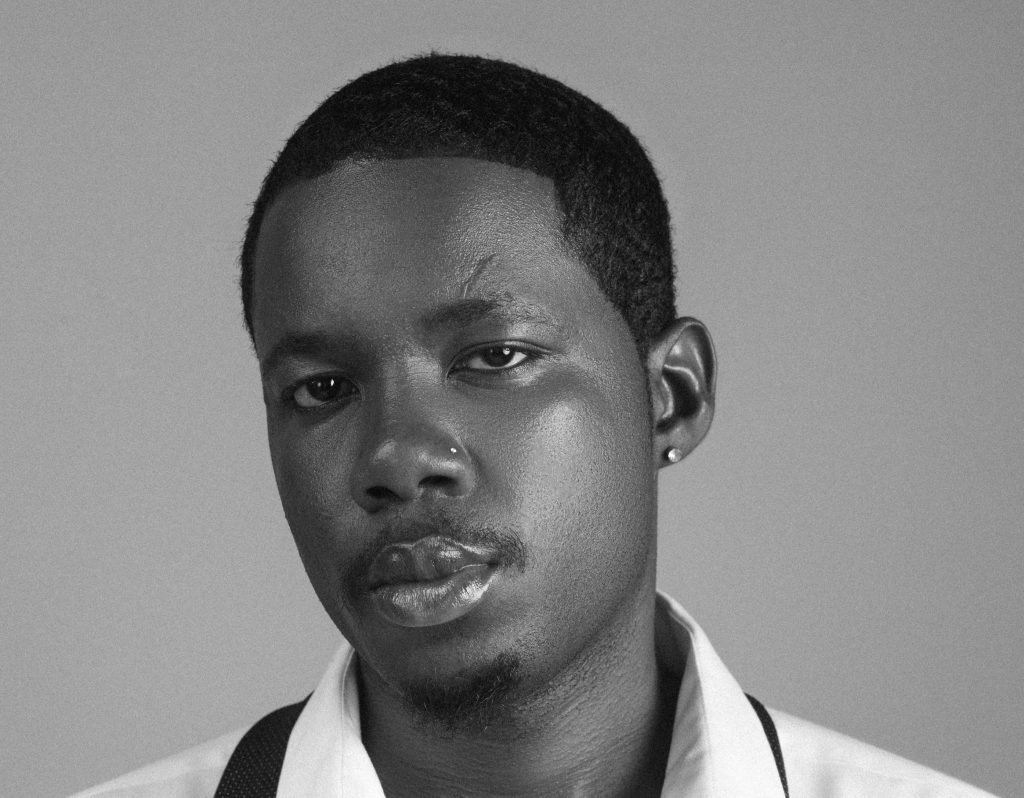
On his debut album, Shoday set out to make a bold statement of being a dynamic artiste and he excels.
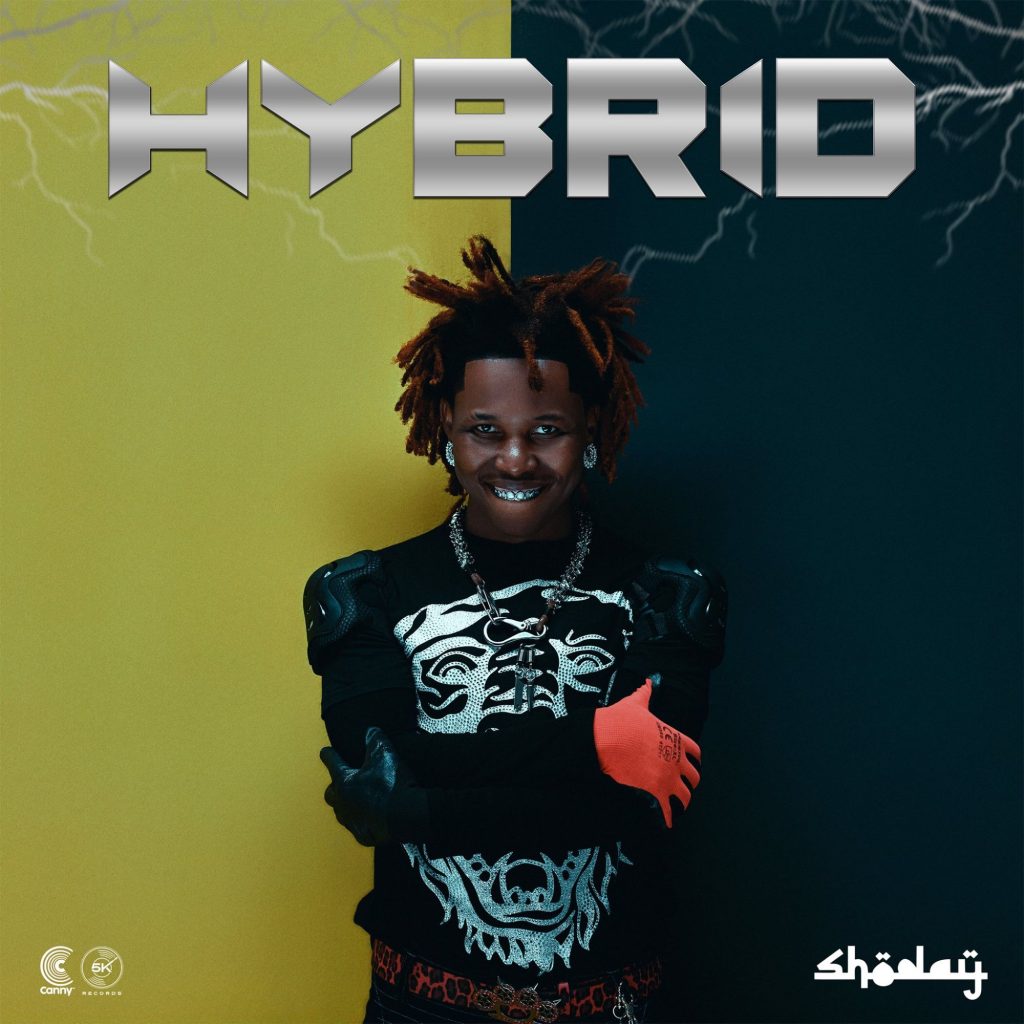
The Oxford dictionary defines the word, Hybrid as something with “mixed character; composed of different elements.” It doesn’t take a linguist to figure out Shoday’s intention behind naming this album. In a musical context, it’s hinting at an interpretation that denotes range and versatility made possible from the interplay of different elements.
The tendency of street pop acts being shoe-horned into a box is much higher than their Afro-Pop counterparts, so it makes sense why Shoday would want to break the mould and establish the fact that he’s not a one trick pony. It’s an unfair bias that emanates from the choice of their language and delivery, so it requires these indigenous acts going above and beyond—delivering on a variety of soundscapes to convince the audience that they indeed have range. While HYBRID is nothing close to a masterpiece, it’s quite the triumph.
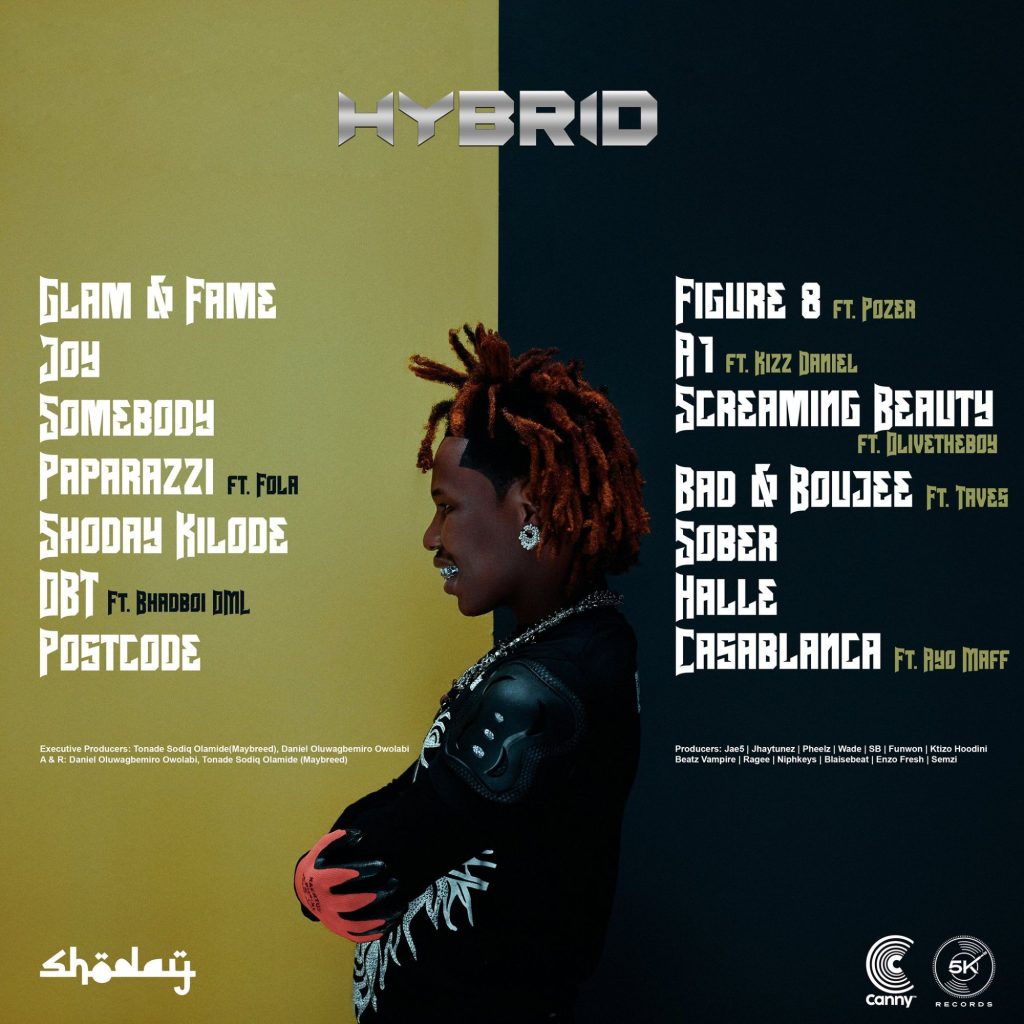
Shoday laments about the struggles of being a popstar on Glam and Fame. Despite being grateful for his breakthrough, he can’t help but feel bitter at the new obstacles in his way, almost like he was deceived and didn’t expect to encounter new pitfalls. While some of these wailing sounds like privileged malarkey, especially the line of not being able to “repeat clothes” it doesn’t make them any less valid, because public perception is everything and the audience are mean vultures, so the sentiment mostly works.
Joy is punctuated with melodic beeping Piano notes, layered over more tepid ones that gives it a soulful base. It’s a simple song about Shoday’s love interest giving him joy and despite the writing being equally simplistic, the song resonates because his approach is so earnest and he hones in on the feeling of joy so much, that even a kid who doesn’t understand the concept of loving another human would grasp how joyous he feels.
Somebody is a staple street-pop song replete with trademark log drums and subtle shakers. The title is self explanatory and Shoday sings about the magnitude of coming from nothing and becoming something. Paparazzi is the hit single, that preceded the album and while this writer thought it was a bit low-effort, it does sound better within the sequence of the album and like any other good single, it does have the tendency to grow on you. Hats off to FOLA for delivering such a stellar chorus.
Shoday Kilode heads back into standard street pop territory, but unlike Somebody it’s lamba oriented and Shoday’s delivery is infused with more swagger and catchier lines. The chorus works to a tee here also and it’ll be difficult to not bop your head when it comes around. OBT is an hustler’s anthem tailor made for the streets and it rings hard in these economically strenuous times, which Shoday understands and immediately attests to with the opening line of his verse—which goes a long way in drilling his message in.
BhadBoi makes a strong impression with his cameo, reminding us why he’s very formidable and highly sought out for guest verses. Postcode dials the tempo back up a notch and Shoday does a good job of finding numerous pockets on the beat that does a great job of ramping up the grooviness. He sings about the shenanigans of a free spirited woman, but he could as well sing about a banana with the flow he deplores and it’ll still work.
Figure is an Afro-House song composed of rambunctious drums and dominant shakers. Shoday’s strength as an artist seems attuned to crafting strong choruses and it’s not any different on this song—that coupled with the smooth way Pozer glides into his ceiling-raising verse, makes Figure another triumph on the LP. Shoday heads into Kizz Daniel’s esque territory on A1, where the production is inspired by the sonic sensibilities that defined Unckle K: Lemon Chase and it reaps a good result.
Kizz Daniel interpolates his own lyrics from Boys Are Bad into his minimalist verse, that compliments Shoday’s and the song is made all the more better for it. Screaming Beauty maintains the uptempo rhythm, but is more heartfelt and the mission here is a love record that’s more wholesome than it’s sensual. Olivetheboy brings something distinctly refreshing by being the one featured act so far that’s not street-pop adjacent.
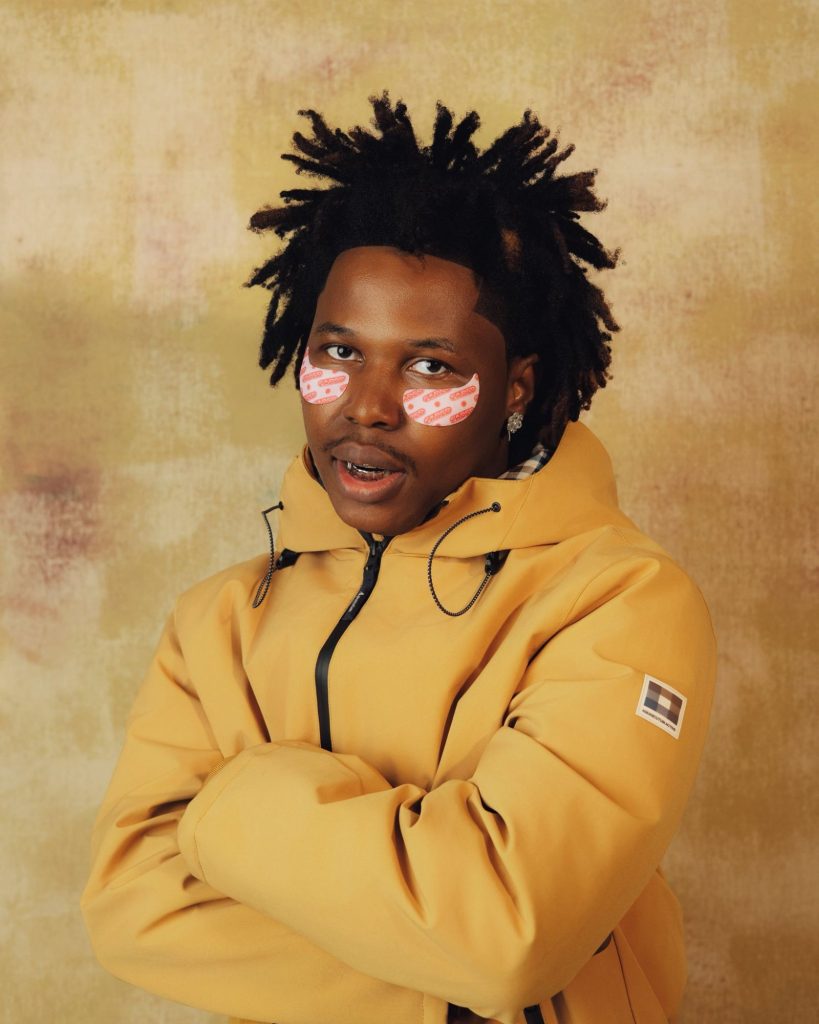
The mid-tempo drums on Bad and Boujee have a gyration bounce in them that makes it pop. Where the preceding track was a celebratory track of love, the theme here is geared towards something more romantic. Taves adds the much needed poetic touch to pefect the feels the song intends to project. Shoday looks inwards on Sober and while the song doesn’t get deeply introspective, he’s grateful nonetheless for conquering his demons and coming out on top.
If there is anything close to a filler track on HYBRID, it’s Halle. Despite being a decent song, Shoday has explored the crux of the song in better dynamism on Sober with production that had more personality. Casablanca integrates Asian violin riffs that simulate a cinematic feel that’s great for closing off the album. Ayo Maff puts in a tight shift, as he’s well experienced singing about the struggles of prioritizing chasing money over love. Shoday and his team really excelled at optimizing all the features on this album.
HYBRID had tons of lead singles that predates the album and that might dampen the overall enjoyment for some that heard it all, especially because some of the best songs are singles. But this writer heard only Paparazzi prior and enjoyed the album thoroughly. Perhaps, the release strategy leaves much to be desired but there is no mistaken that this is a solid body of work, from start to finish.
Final Verdict:
Sonic Cohesion: 1.7/2
Expansive Production: 1.3/2
Songwriting: 1.3/2
Delivery: 1.4/2
Optimal Track Sequencing: 1.3/2
Total: 7.0/10