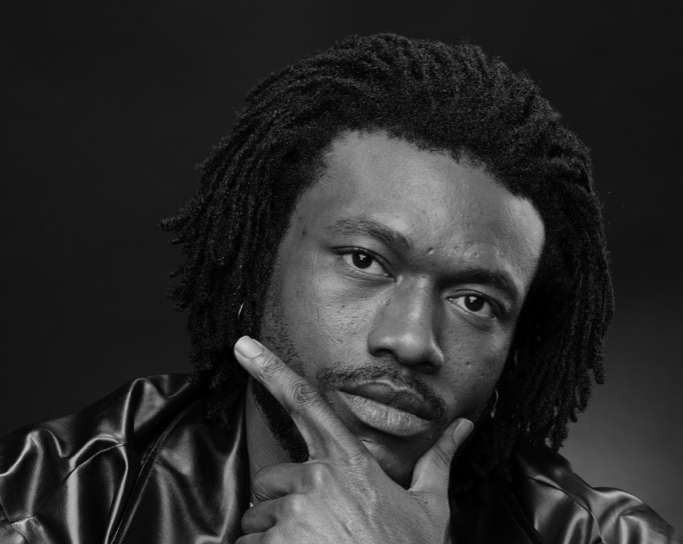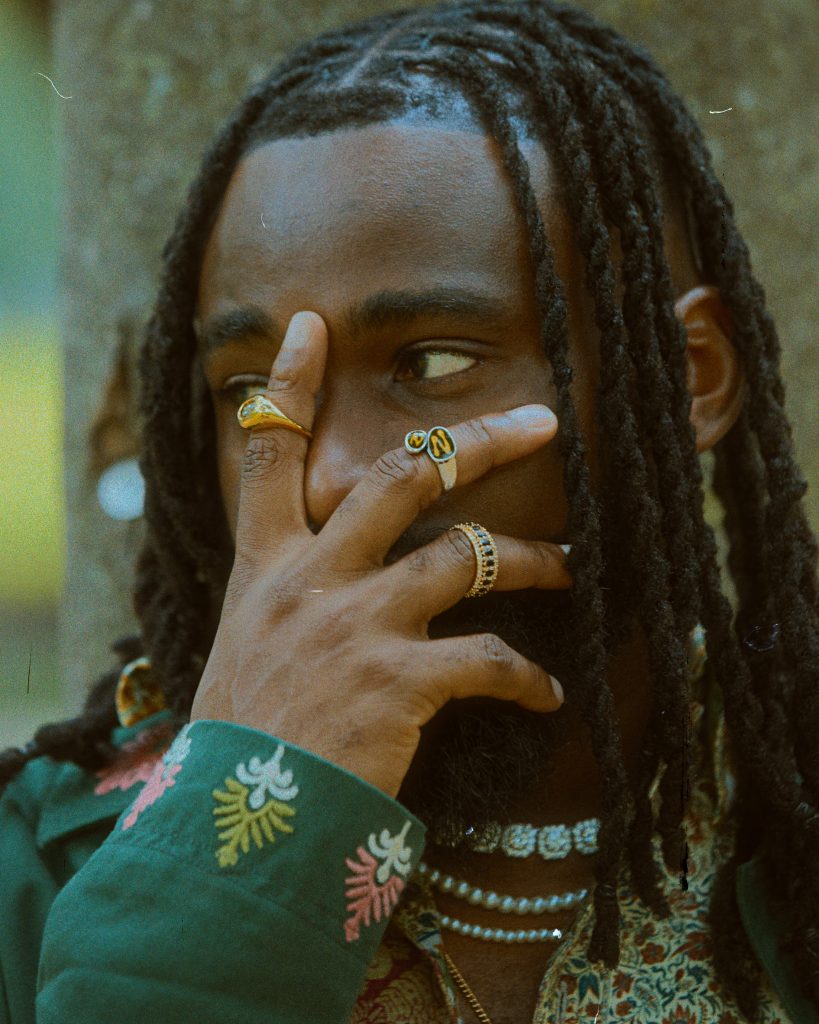
In today’s Afrobeats landscape, where sound is constantly evolving and producers are increasingly shaping the identity of modern music, Jhay2unez stands out as a name quietly but powerfully influencing the culture. A Nigerian music producer known for his emotionally driven sound and creative versatility, Jhay2unez has built a reputation for crafting records that resonate deeply with both artists and listeners
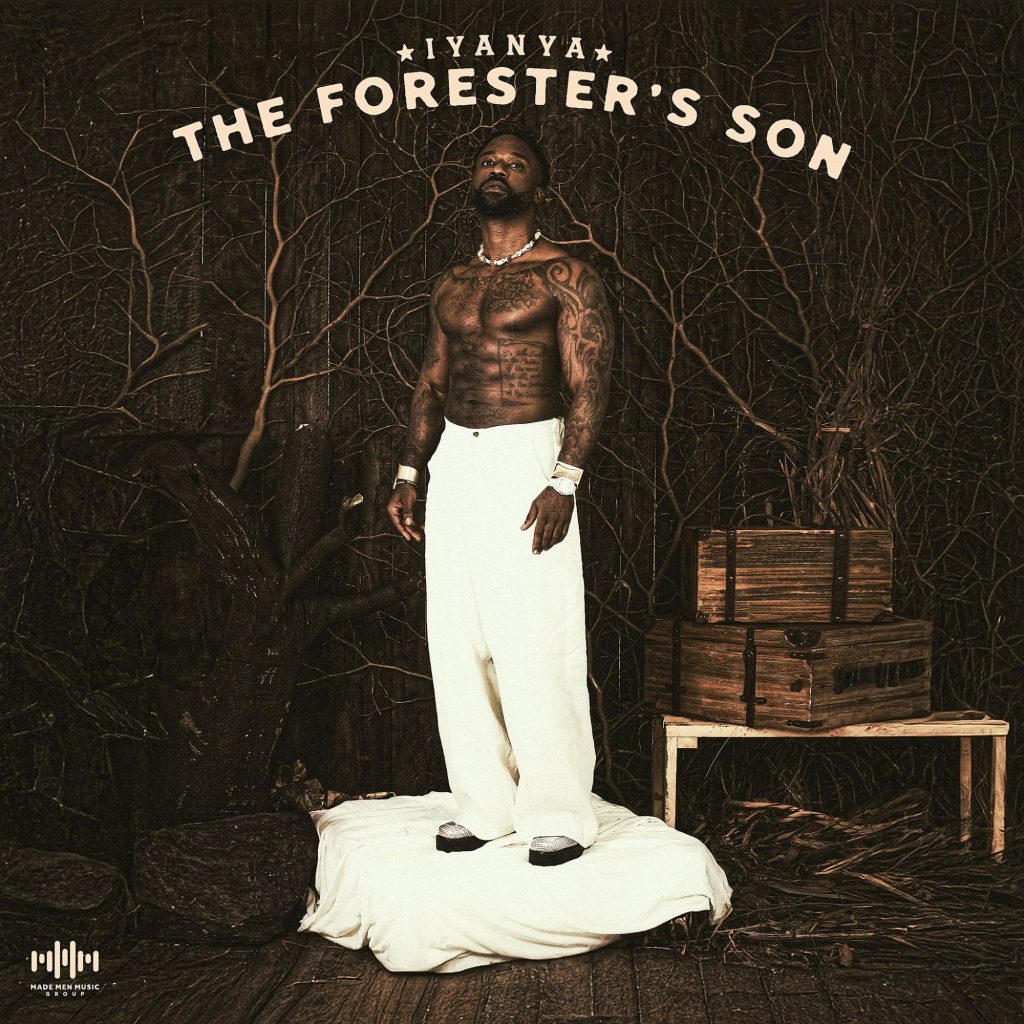
His production credits span a range of notable projects, including “Sharpally” by Young Jonn, a record that marked a defining moment in his career, as well as “Casablanca” by Ayo Maff & Shoday, “Suddenly” by Seyi Vibez featuring Young Jonn, and “WhatsApp” by Seyi Vibez & Bloody Civilian amongst many others. On each record, he shows his adaptability and ear for sound that connects with the street and the mainstream alike.
Raised around music through early exposure to studio environments, Jhay2unez’s journey into production was organic, shaped by curiosity, observation, and hands-on learning. In this interview, he reflects on his journey, creative process, challenges within the industry, and his vision for music production in an era defined by rapid technological change and limitless possibility.
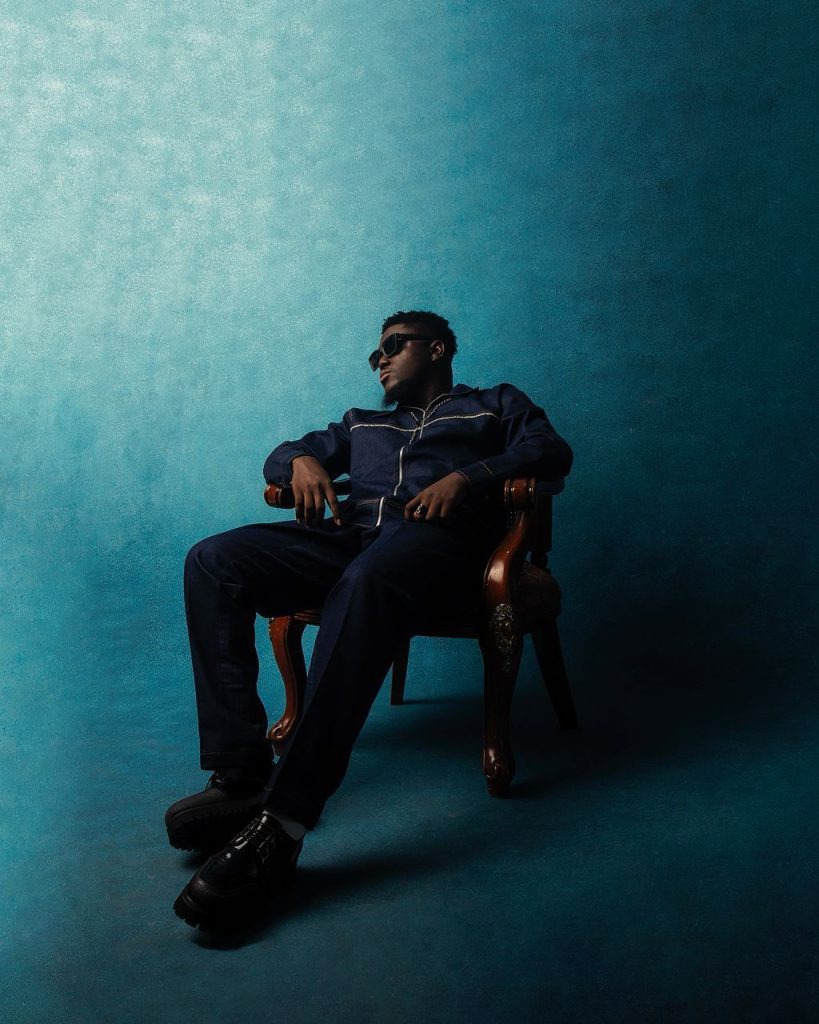
How would you describe your experience in music, especially as a producer?
My experience has been amazing. Being able to create sounds and music that people enjoy and appreciate is truly incredible. It’s a unique feeling to know that something I crafted in a studio, sometimes from a simple idea or emotion, can connect with listeners and impact their mood or day.
Beyond the creative satisfaction, I also appreciate the discipline and growth that come with production. It has taught me patience, attention to detail, and the importance of constantly learning. Every project pushes me to explore new sounds, refine my skills, and express myself more clearly through music.
Being a producer is not just about making beats, it’s about shaping emotions and telling stories through sound, and that journey has been very fulfilling.
How did you first get into music production, and what was the turning point that made you take it seriously?
It actually started from a funny point. In my final year of secondary school, my father who was a sound engineer and music producer, worked in a studio very close to my school. After school, I would often go there, and my friends began to wonder why I kept going there.
When they asked, I told them that my dad worked there. They responded by asking what I was doing there if I had a father with such a profession. That made me think deeply about it.
I became seriously interested when my father brought a young producer to the studio who did amazing work using FL Studio. That experience motivated me to learn the software, and I decided to pursue it.
The turning point came when I received payment for my first beat. I was surprised and excited, thinking, “So people actually pay for this?” That moment made me fully commit to music production.
Which artists, genres, or producers have influenced your approach to making music the most?
Honestly, any beautiful sound I hear tends to inspire me. So, every artist who creates beautiful music influences me, regardless of genre. I do not shy away from any genre as long as the end result is beautiful music.
However, there are specific producers who have influenced me significantly, including Sarz, Pheelz, Young Jonn, Killertunes, Blaisebeats, P Priime, Ramoni, and even some new producers who are creating impressive music.
How would you describe your sound or production style, and how has it evolved over time?
My sound is centered around emotion and expression. You can often tell aspects of my personality through my music. I am a lively and happy person, and I tend to express that energy through my productions. Working with creative artists and musicians over time has also contributed to my growth and evolution as a producer.
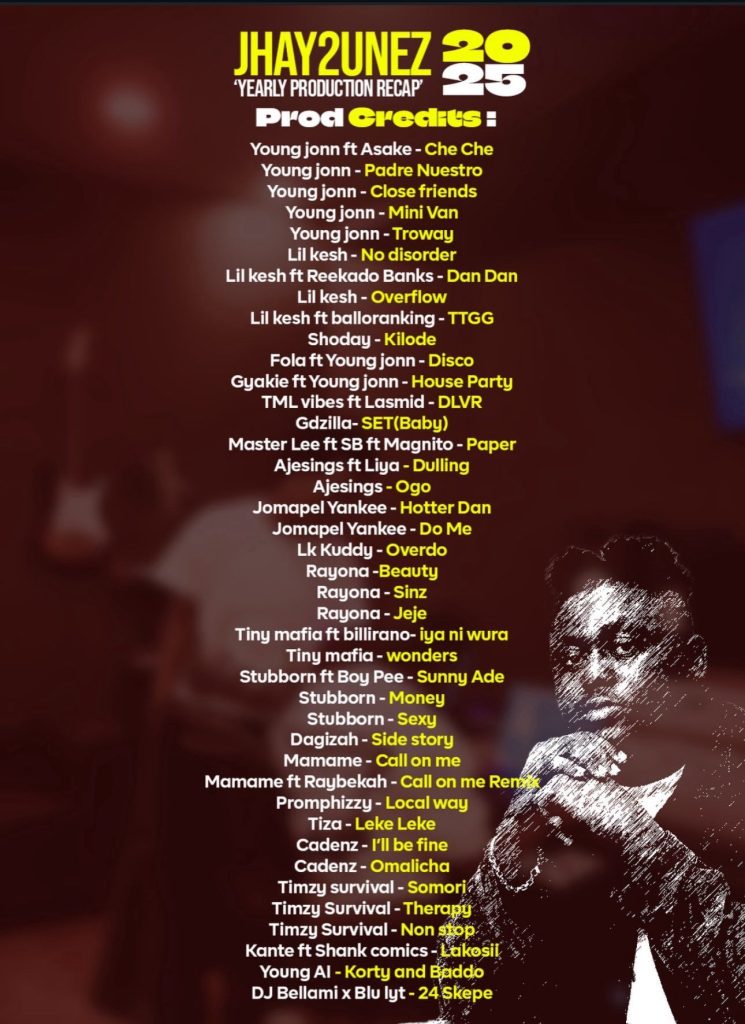
What does your creative process look like from the moment you hear an idea to the final mix?
My process begins with connection. It is about connecting with the artist and aligning my mind with the vision of the project. In music, there are no strict rules. As inspiration comes, I try to create exactly as the idea plays in my head, focusing on the signature sound and every detail.
I do not follow a specific order; instead, I work on what feels right at the moment. I also take my time, whether it takes minutes, hours, days, or even months.
Can you walk us through a project you are particularly proud of, and why it stands out to you?
There are many projects I am proud of, as I understand the effort involved in each creation. However, if I have to pick, one that stands out is Sharpally by Young Jonn.
The flute idea in the intro came to me while I was on the road, and I quickly recorded it. When I returned to the studio, I sketched the idea and sent it to Jiggy. Before he responded, I told him I was creating another progression for the same beat.
A few minutes later, he informed me that he was recording. The next day, he posted a snippet, and the response was incredible. When the song was released, it significantly elevated my career. Interestingly, we never discussed the second progression—I simply said I was working on it.
How do you work with artists to bring out their best performance while staying true to their vision?
This is an important question because producers can easily impose their ideas on artists, especially emerging ones. I make it a priority to understand where the artist is coming from and where they want to go.
In many cases, artists can sing but struggle to define their genre or sound. I remain approachable and create a comfortable environment during sessions where everyone can express themselves freely. Often, the most unexpected and creative ideas emerge in such an atmosphere.
At the same time, I contribute based on my experience, whether in sound creation, composition, writing, delivery, or the final mix.
What is the biggest challenge you face as a producer in today’s music industry?
The biggest challenge is the high demand for beats. Many people assume producing music is easy, but it is not. Just because one producer works faster or produces more content does not mean everyone operates the same way. However, I understand this demand as appreciation for my work, and I view it as motivation to keep pushing myself to explore and create even more beautiful music.
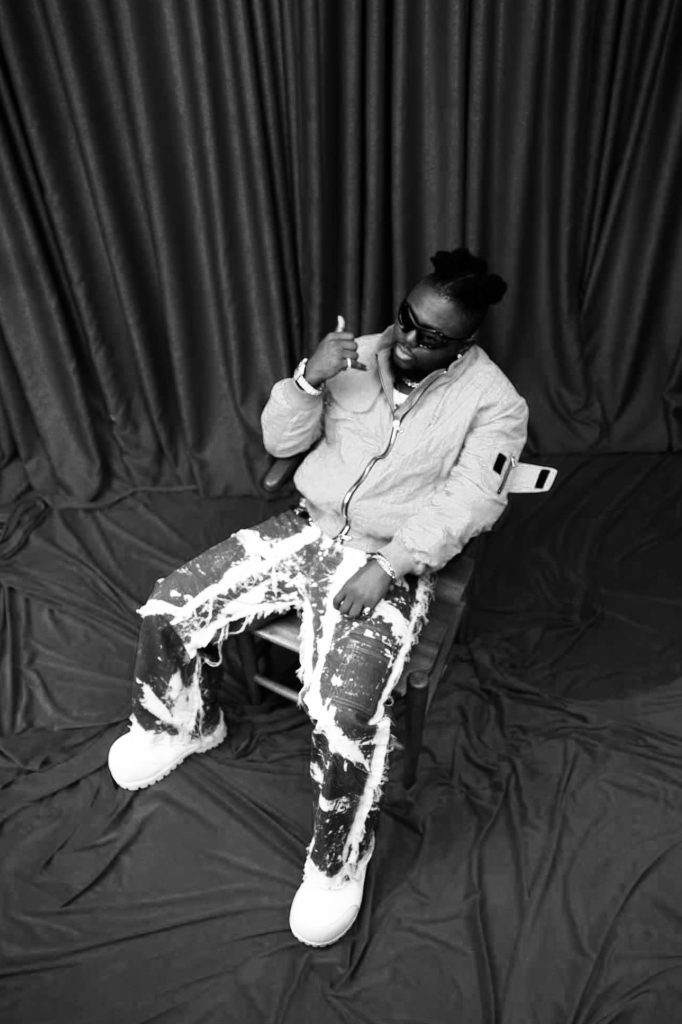
What advice would you give to upcoming producers trying to break into the industry?
I would advise consistency and evolution. Whatever you create, stay true to your craft. Nail down your sound and continue to evolve with it. Also, be careful, as every industry has its challenges.
In this age of AI, what role does technology play in your work, and how do you balance tools with creativity?
The key is balance and maintaining originality. We cannot ignore technology or AI because even if one person chooses not to use it, others will. Change and evolution are constant, so finding the right balance is essential, using technology only when necessary.
You have a strong discography. On a scale of 1–10, how proud are you of your works and why?
Of course, I would say 10. I am grateful and proud of all my projects, but I am never complacent. I am always striving for more, because I believe there is always room for improvement and growth. I am confident that more great music is still ahead and there are no boundaries.
Looking ahead, what do you think the future of music production looks like, and where do you see yourself in it?
The future is very exciting. The pioneers before us have laid the foundation, especially in terms of music creation and business awareness. The current generation is also making significant contributions, including myself.
I have seen incredible talent emerging, and it is inspiring to witness where music production is heading. I see myself as a channel and a vessel for music. In the future, I hope to be a reference for upcoming producers, helping shape and spread the beautiful Afrobeats sound.
As Afrobeats continues its global ascent, producers like Jhay2unez represent a new generation of sonic architects who not only create hits, but also help shape the future direction of the genre and the culture.