On his sophomore EP, Champz embraces more pop influences in a bid to be more accessible but he loses his personality in the process.
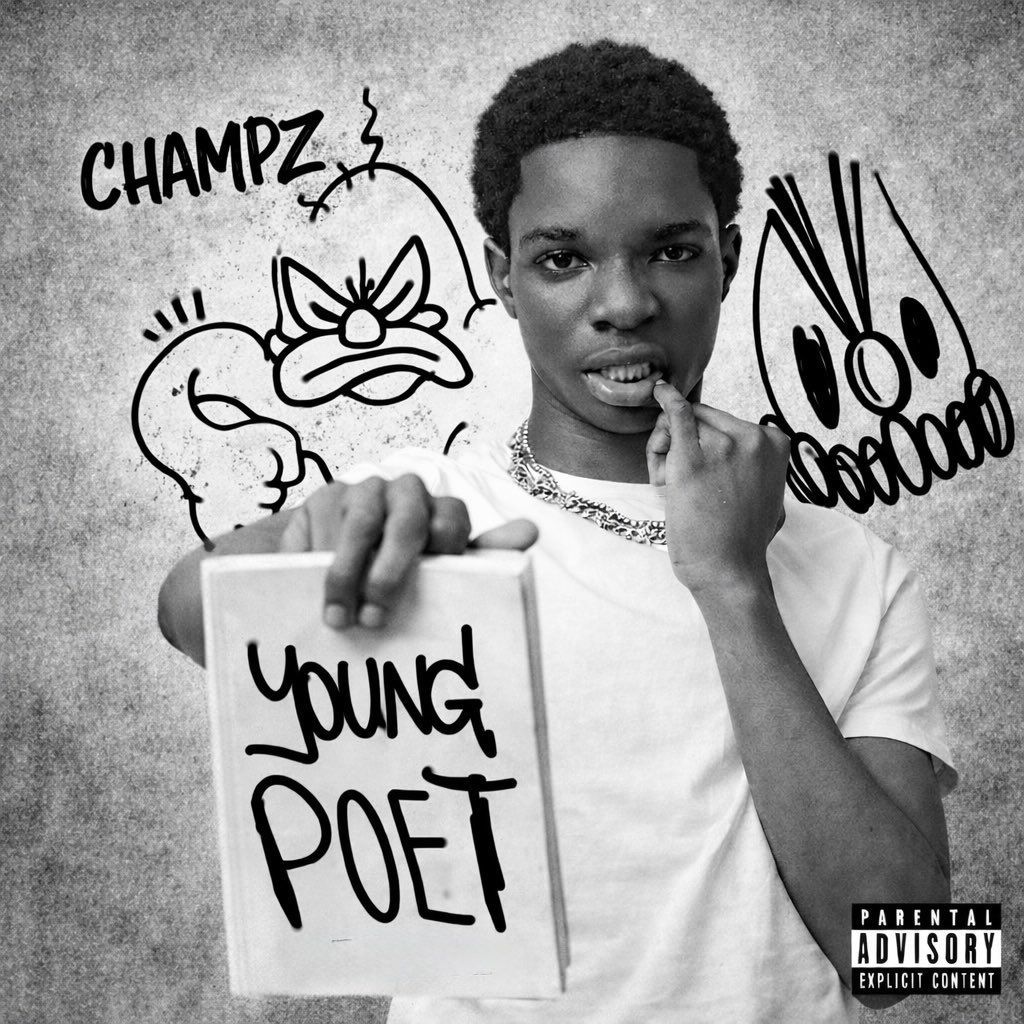
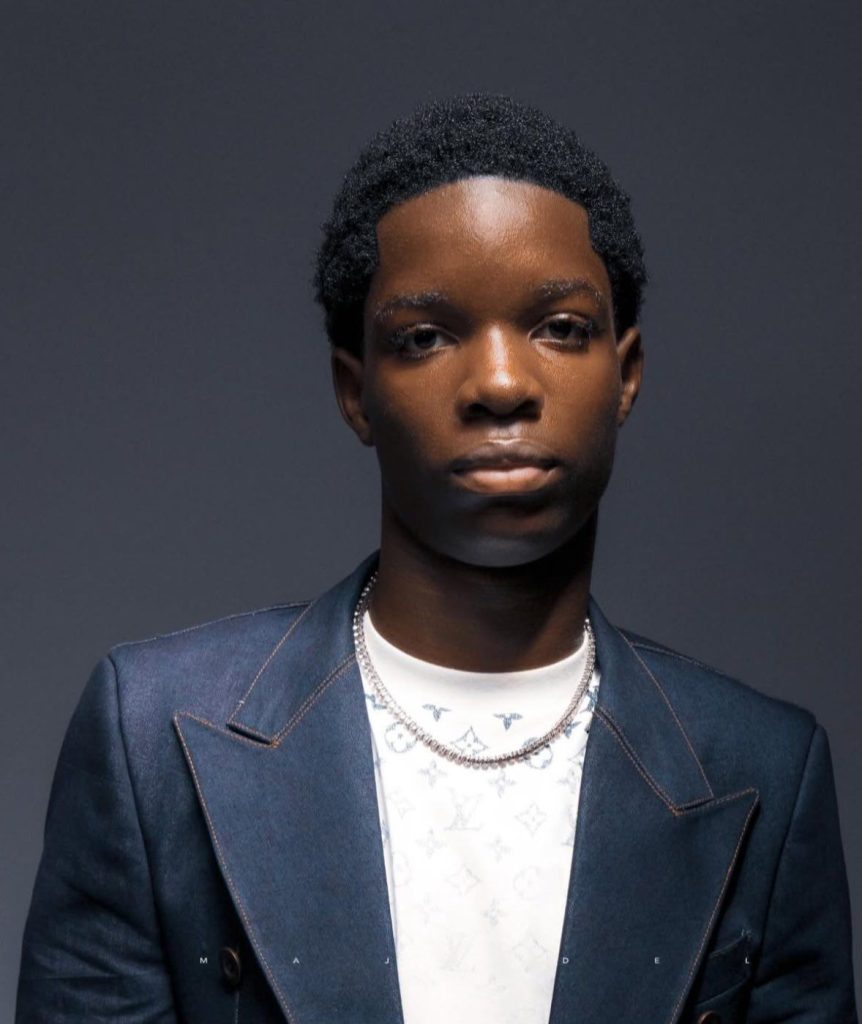
The major reason why people relished the prospect of a teenage Afrobeats star—beyond the fact that Champz is the son of Afrobeats royalty—is simply the existence of music made from the lens of an actual teenage for the teenagers, while providing a stark contrast of youthful exuberance in comparison with the older adults cosplaying younger people in the industry.
It’s the same reason cinephiles want actual teenagers playing teenage roles in movies. Your suspension of disbelief can only go so far, when anytime you take a look at the character—you’re slapped with the glaring realization that it’s an adult playing a teen, which reminds you of the fact that you’re watching fiction—thus disrupting your immersion. Nobody can make music that captures the essence of teenage shenanigans and experiences like actual teens—and like every other music market, the primary consumers of Afrobeats are teenagers and young adults.
So the insurgence of Champz provided a rare opportunity for a young star to consolidate on the brand of his superstar heritage, while also offering something unique that his peers can’t because they don’t operate in the same stratosphere of popularity that he does. This writer wasn’t a fan of his debut EP either, as it’s plagued with similar problems but at least Champion Sound showed a lot of promise. The writing was good and most importantly, it presented a unique POV of a teenage star and the peculiar challenges he faces. Challenges no one else does, thus making the music special.
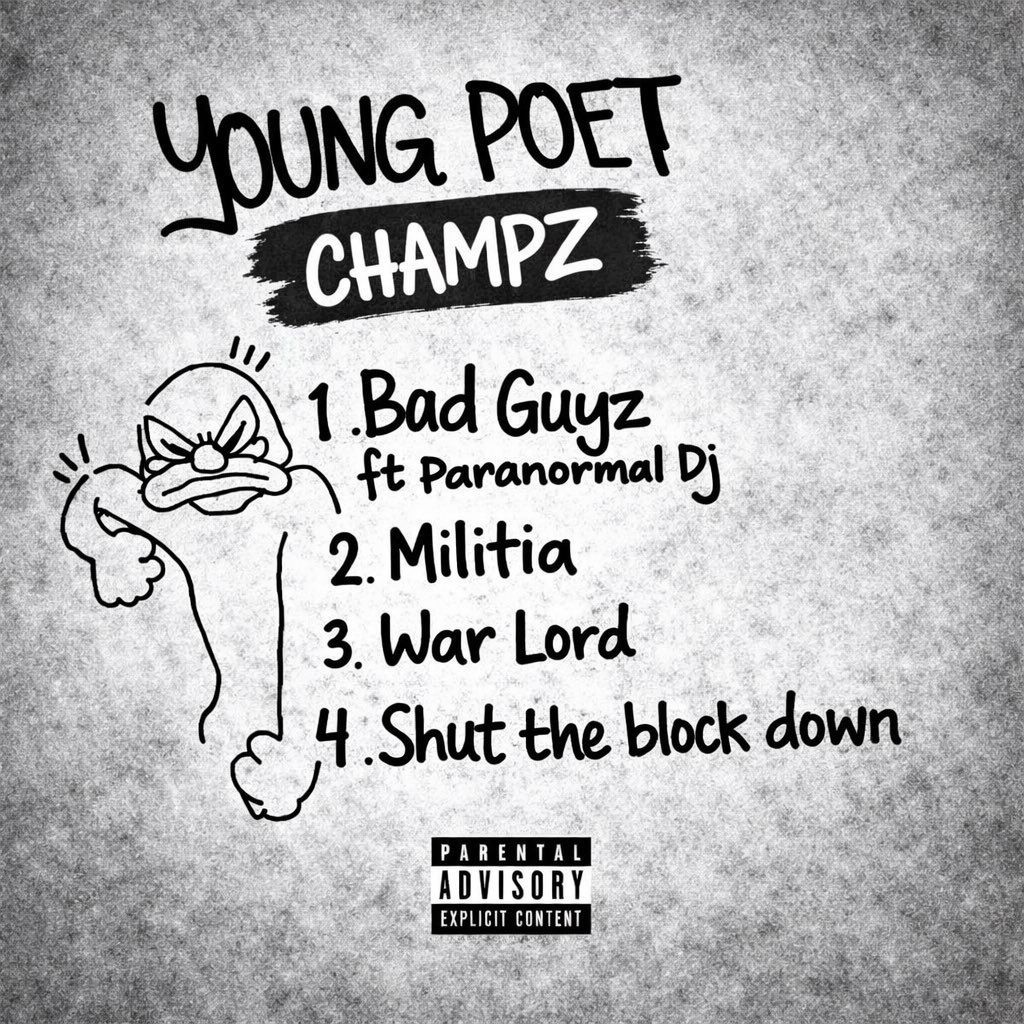
So why Champz decides to go the mainstream route of making generic pop music on this project is…mystifying. Bad Guyz opens the EP on the most unimaginative note with a generic Amapiano fusion beat, where Champz tries to deliver compelling lamba. It’s not offensive to the ears but you’ll be hard pressed to find pop music that’s more bland and formulaic than this one. It’s just so nothing-burger.
Militia is more of the same and operates at the same tempo, but there is more rapping here—as opposed to its pop-leaning predecessor. To his credit, Champz does find some interesting pockets and manages to sound competent in his chest-thumping lyrics despite being a kid, but the lack of a chorus here really hurts this song and destroys any momentum of it resonating.
War Lord is arguably the worst song on this EP, because Champz is doing the exact opposite of what he should be doing. Once again, Champion Sound is his best song because the themes there encompassed his true reality of being a superstar’s son, the expectations that came with it and the unwarranted vitriol from a specific sect of detractors that want him failing. It was music from a real place.
War Lord on the hand is cosplaying at its worst, because he’s talking about being a gangster and throwing fists when his privileged life has shielded him mostly from hardship and violence. If the writing were any good, it would have passed as decent fiction—since artistes don’t always sing from personal experiences—but he doesn’t say anything of note on this song either. It’s mostly braggadocio gibberish from start to finish.
Shut The Block Down salvages things a bit and Champz proves beyond reasonable doubt there is definite talent here. He finds good melodies and deplores nice flows in the same vein, making for a somewhat enjoyable listen. Once again, he doesn’t say anything memorable that highlights his unique position and identity but the talent is unquestionable. It just needs honing.
There is no reason why a young artiste like Champz should be releasing two projects in five months. He has his whole career ahead of him and a much needed evolution to experience, that it doesn’t make sense to deploy a strategy that reeks of populating the market place to dominate it. That’s a strategy for when you’re in your prime, not when you’re a young star with the world at your feet. Champz isn’t just another artiste and he shouldn’t make moves like one.
Final Verdict:
Sonic Cohesion: 1.5/2
Expansive Production: 1.0/2
Songwriting: 0.5/2
Delivery: 0.8/2
Optimal Sequencing: 1.0/2
Total: 4.8/10