On his sophomore album, the Afropop star does very little to set himself up for success.
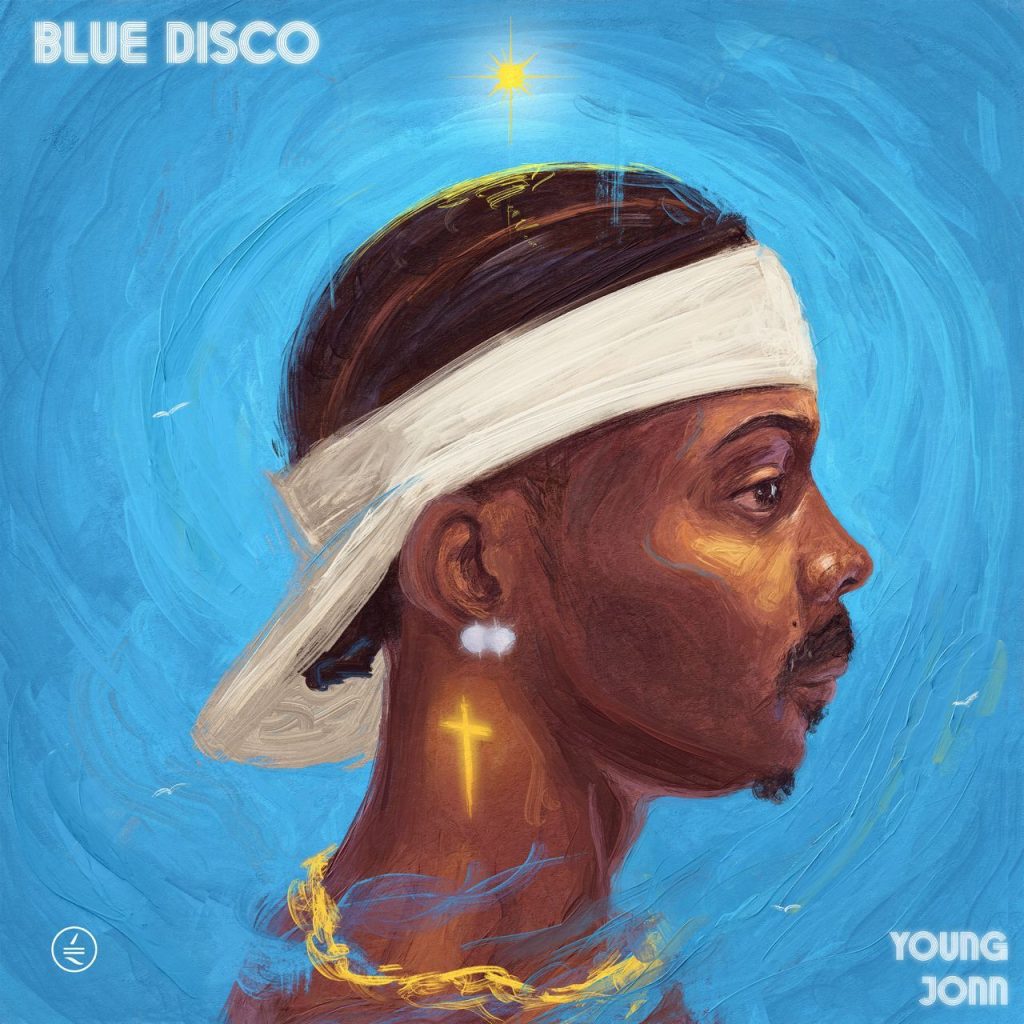
Getting the masses and general audience to back Young Jonn wasn’t an herculean task. Like Pheelz, he was the mastermind behind some of Afrobeats biggest hits of the past decade and when his transition from producer to artiste was initiated, people instantly rooted for him because everyone loves the dynamic of unsung heroes stepping into the spotlight. It also helped that the music was good and resonant.
Two years after dropping his critically acclaimed EP, Young Jonn finally released his debut album, Jiggy Forever in 2024. Unlike his EP, it wasn’t met with swooning from fans and critics alike, despite only doubling down on the formular that made his music great. You see, as an artiste—Young Jonn doesn’t exactly have the range to justify a lengthy LP like the one he dropped, let alone an LP at all.
His topical explorations hardly venture beyond surface level romantic musings and he barely has more than one delivery style in his arsenal. His limitations as an artiste enables him to make resonant, pop music that’s accessible to everyone but over an album, these traits tend to become very tedious and monotonous. Unfortunately, just like his debut album, Blue Disco does very little to justify its existence.
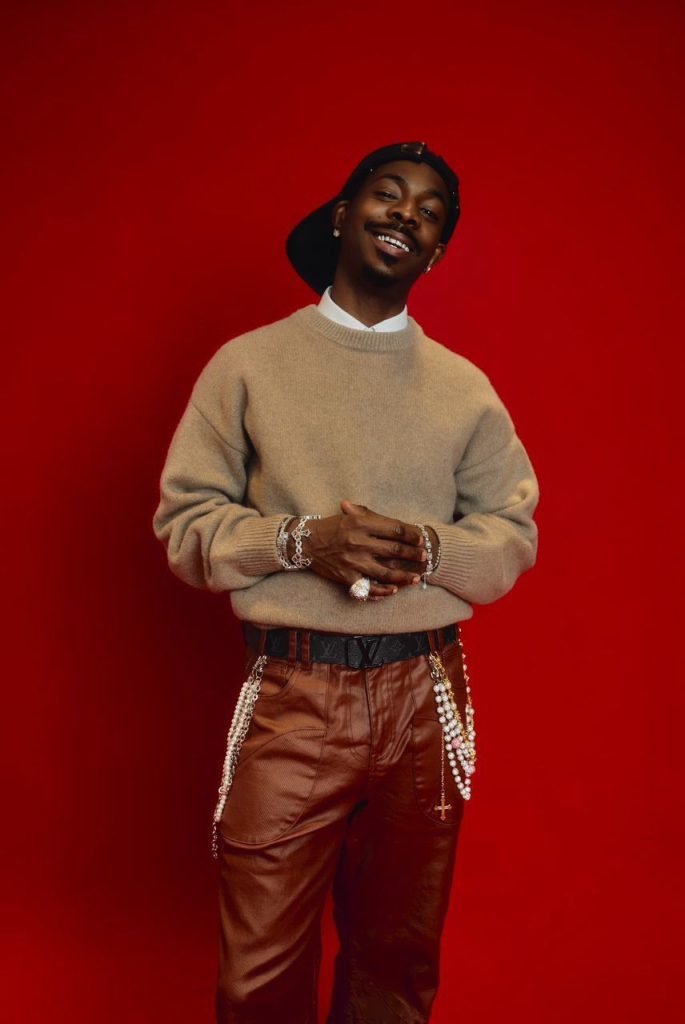
Padre Nuesto couldn’t be any more cliche by kicking things off on a prayer and gratitude note. Of course, this isn’t inherently a problem as this trope hasn’t stopped other Afrobeats classics that started out this way, from achieving greatness but there is barely any stamp of personality or anything unique here. For instance, when Fireboy DML or Asake kicked off their albums on a similar note, the elements of their artistry embedded in those songs were unmistakable.
For Asake, it’s in the tight rapping cadences (Start) and harmonious crowd vocals (Olorun, Dull.) Fireboy on the other hand, unleashed the full potency of his writing chops on Iseoluwa, documenting a compelling personal story that could have only come from him. Padre Nuesto isn’t a bad song or opener but you’ll forget it as quickly as it goes by. There is potential on Lalala and the somber, upbeat template is ideal for Rema who puts in a tight shift for the most part but the production of the song is a bit confused on whether it’s trying to be a mellow pop song or an Amapiano fusion one mid way.
Exotic guitar riffs and riotous, groovy percussion charge up the midtempo bounce of Level Up. While Olamide has a lot of range and has excelled on a similar funk template this year—on a Joeboy record—it’s curious why Jonn would deplore him on this song because it’s not great talent optimization. The rapper does his best and flows well to the beat, but there’s too much going on to turn in any memorable lines to make his performance evergreen. Level Up is yet another okay song.
Jiggy Bop is the fourth song and the album is somehow still stuck in gear one. To his credit, Young Jonn abandons superficial yearnings and grandiose declarations of love for some semblance of self introspection and healthy braggadocio. It’s well earned, after all he’s a successful popstar however he decides to undercut the moment by saying he’s still hungry for something he can’t find. Unfortunately, he doesn’t have the writing depth to unpack the emptiness that’s inevitably attached to being successful so the moment falls flat.
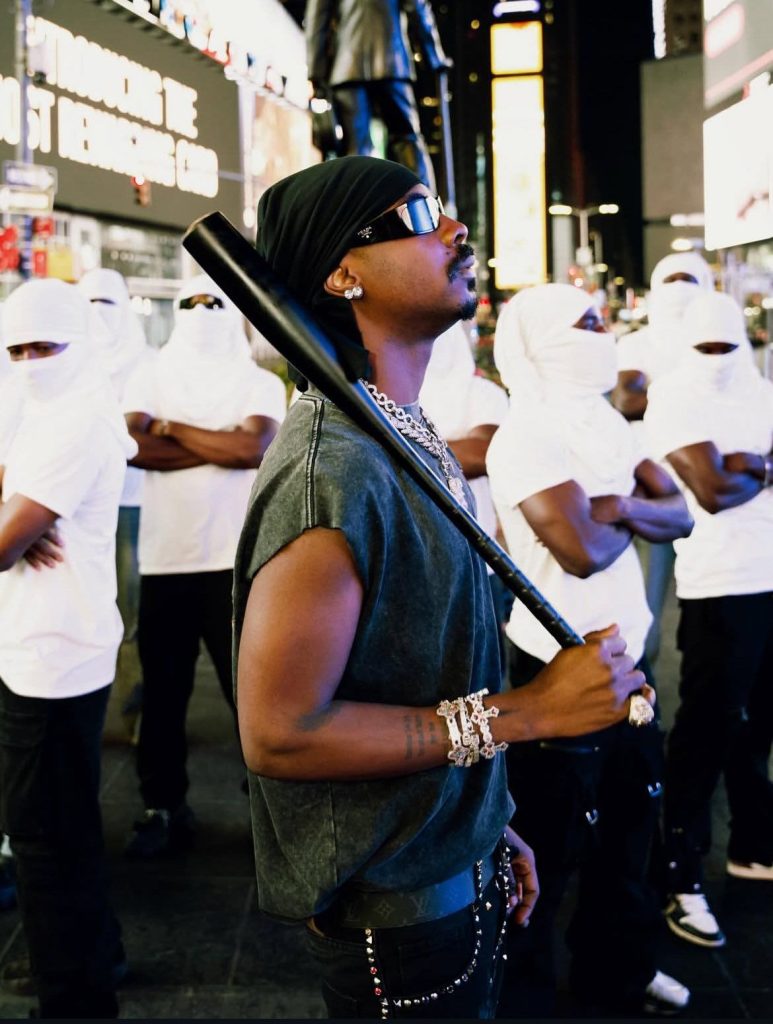
Jonn returns to familiar romantic territory on Airdrop, with a production template that is derivative of 90s synth-pop. This was another opportunity to hit it right out of the park because it’s earnest, somber heartfelt records like this where he thrives but for some reason he fails to craft anything emotionally charged and resorts to singing about spending lavishly on his love interest instead. Close Friends List remains in that somber territory and features a more midtempo groove instead.
Jonn finds some pockets on this song that sticks, but fails to craft a competent hook that would drill the emotion in. His hit songs like Xtra Cool and Aquafina, thrived on the potent emotions powering their hooks. Lines like “Uloma, I dey on my ten toes” and “most nights are lonely baby, you don’t even notice” not only tug at your emotions, but also easily stick because of how sentimental they are. Jonn struggles to get into his bag of crafting similar lines on this album.
Full Control is another throwaway Afro-House record with Jonn saying nothing in particular or substantial about love, except iterating for the umpteenth time that he would buy his woman anything, with the same delivery cadence he’s used all album. He switches things up a bit on 2Factor with a hook that’s actually competent and encapsulates the shenanigans of life on the fast lane. Asake does his bit and it works, but it’s Focalistic that really elevates the track with a more layered approach.
Young Jonn interpolates Olamide’s stellar hook on Zlatan’s My Body, but it’s not enough to salvage Go Shawty from the shackles of formulaic predictability this album suffers from. Shenseea brings some much needed Carribean flavour on Accelerate and while Jonn still utilizes the same flows, his lines here have a raunchy twist to it that gives them variance. And of course, Shenseea glides smooth like a surfer over the beat because the feature is talent optimized, unlike the Baddo one.

LAPO Baby and Strika makes for another tiring two-track sequence. What distinguishes them apart is the fact that Strika has a higher BPM and is yet another romantic record that doesn’t stray beyond Jonn’s bland musings about love while LAPO Baby has him throwing some smoke to his detractors, but he doesn’t fully commit to it and it sounds just as superficial as his outlook on love. Same could be said for Minivan, except the production redeems that track with its uncoventional usage of pulsating log drums.
What Are We had the potential to tread some delicate territory about the exploitation that pervades transactional casual relationships, but Jonn once again doesn’t go beyond asking the question that results in a repetitive chorus. Thankfully, Franglish’s charisma on the song is infectious and his presence elevates it multiple tiers up, despite him singing in French, a language foreign to this writer.
Cash Flow is the formulaic Amapiano fusion record you’ve heard a million times in the mainstream now, but a Wizkid feature in 2025 is a midas touch and it’s no mystery why the song generated a moment. Wizkid is quite lively on the song and while it’s nowhere near his more memorable verses of 2025, it’s good nonetheless. Troway is aptly titled because it’s yet another throwaway record that does absolutely nothing unique, asides ripping off a very tedious sonic formular that plagues the entire album.
Asake returns on Che Che on another painstakingly derivative Amapiano fusion record—a sonic wave he heralded on his debut album—and this coming only two tracks after Cash Flow, makes the song more unbearably annoying because it’s just more of the same and Jonn couldn’t even be arsed to put in some effort. Safe Space starts out with its drums stripped away and the wholesome instrumentation almost tricks you into thinking it’s going to be a ballad, with Jonn deciding to actually dig deep and indulge some self reflections, but then he starts singing and it’s the same old superficial adulations.
Away and Obi’s House are party starters. Where the former is more of your standard Afropop uninspired lamba with mumble feckless nonsense about living large and relishing in sensual pleasures, the latter is an Afro-House record with the title that alludes to the genre of music that dominates the parties hosted at said venue. The album’s outro closes with the same pretentious reflections the album kicked off with.
It’s impossible to single out one song on a twenty track album, where Young Jonn actually gets personal and so when he pulls the curtains with a poem depicting a cathartic journey of self discovery and worth, it falls flat because there was absolutely no journey whatsoever on this LP to justify a full circle moment of that theme. As a listener, you can’t help but feel relief that the entire ordeal is over.
It’s one thing to not have the range to make a great album and it’s another to make a bloated one at that with twenty tracks. A fourteen track LP with these same songs would have been tiresome nonetheless, but the longer this dragged on—the more tedious it got and more progressively worse the music became. There’s no excuse for putting out low-effort, bloated albums like this that serve no other purpose than boosting numerical standings on the charts. If almost every single song sounds the same, then why the hell should we care?
Final Verdict:
Sonic Cohesion: 1.5/2
Expansive Production: 1.1/2
Songwriting: 0.6/2
Delivery: 0.7/2
Optimal Track Sequencing: 0.8/2
Total: 4.7/10